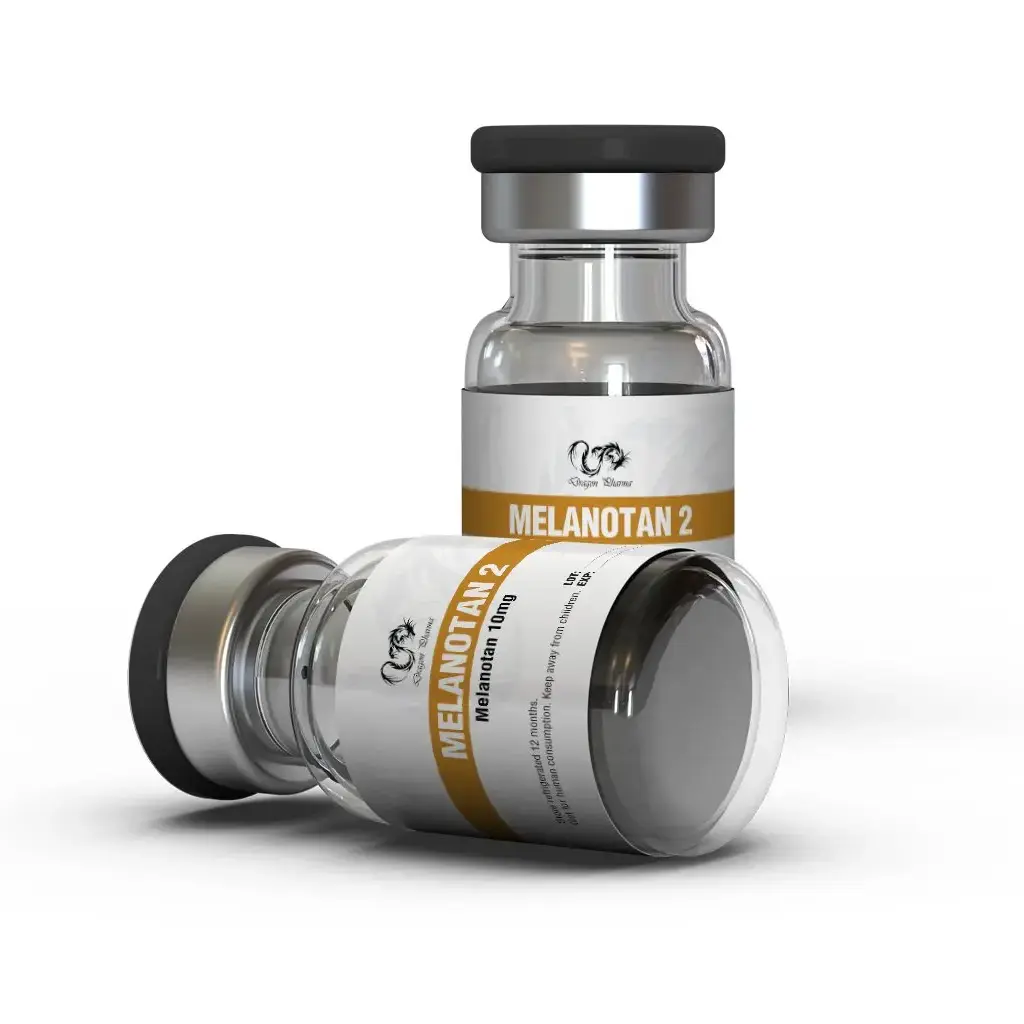
Unraveling Melanotan 2: The Peptide That Promises a Tan
In the quest for the perfect sun-kissed glow without the harmful effects of UV exposure, many have turned their attention to Melanotan 2. This synthetic peptide has gained popularity as a tanning agent, but what is Melanotan 2, how does it work within the human body, and what do users have to say about their experiences? Let's dive deeper into this intriguing compound.
What is Melanotan 2?
Melanotan 2 is a synthetic version of the melanocyte-stimulating hormone (MSH), naturally produced in the body. Its primary function is to stimulate the production of melanin, the pigment responsible for skin color. Originally developed as a potential treatment for skin conditions like erythropoietic protoporphyria, Melanotan 2 has garnered attention for its tanning capabilities. Unlike traditional tanning methods that rely on sun exposure or tanning beds, Melanotan 2 offers a safer alternative by enhancing the body's natural tanning response.
How Does Melanotan 2 Work in the Human Body?
When administered, Melanotan 2 binds to melanocortin receptors in the skin, triggering the production of melanin. This process effectively increases pigmentation, leading to a darker skin tone, even with minimal sun exposure. Users typically receive Melanotan 2 via subcutaneous injection, starting with a low dose and gradually increasing it to achieve desired results.
Interestingly, Melanotan 2 also appears to have some side effects, such as increased libido and appetite suppression, which users have reported alongside their tanning results. However, it's essential to remember that reactions can vary from person to person, and many individuals should approach this peptide with caution.
User Reviews: The Good, The Bad, and The Realistic
When considering any new supplement, especially one like Melanotan 2, it's crucial to hear from those who have used it. Reviews often express a mix of enthusiasm and caution. Many users rave about the convenience of achieving a bronzed glow without long hours spent in the sun. They often describe noticeable tanning results within just a few days of use, making it an appealing option for those looking to enhance their appearance.
However, not all reviews are positive. Some users report side effects such as nausea, facial flushing, and dark spots appearing in unwanted areas. It's important to note that while some people experience excellent results, others may not see the same benefits or could face adverse reactions.
Conclusion: Is Melanotan 2 Right for You?
Ultimately, Melanotan 2 presents an innovative approach to tanning, utilizing the body's natural processes to achieve a desired look. While many users report favorable outcomes, potential side effects should not be overlooked. As with any peptide or supplement, it's crucial to consult with a healthcare professional before starting Melanotan 2, ensuring it aligns with your individual health needs and goals.
As the demand for safe tanning alternatives continues to rise, Melanotan 2 stands out as a fascinating option. Whether you're drawn in by the prospect of a beautiful tan without the sun or intrigued by its other potential effects, understanding Melanotan 2 is key to making an informed decision. Always prioritize safety and research extensively to find what works best for you!
No reviews found
Please log in to write Melanotan 2 (10mg) review.
Melanotan 2 (10mg) FAQ
What is Melanotan 2 and how does it work?
Melanotan 2 is a synthetic peptide that stimulates the production of melanin in the body, the pigment responsible for skin color. It is designed to enhance tanning capabilities without the need for prolonged sun exposure. The peptide works by mimicking the action of the naturally occurring hormone alpha-melanocyte-stimulating hormone (α-MSH), which activates melanocyte cells in the skin to produce melanin. This process not only promotes tanning but may also offer some protective effects against UV radiation, although it is not a substitute for sun protection measures.
Are there any known side effects associated with Melanotan 2 use?
Yes, like any peptide or pharmaceutical agent, Melanotan 2 carries the potential for side effects. Commonly reported adverse effects include nausea, flushing, and increased libido. Some users may experience skin changes, including the appearance of new moles or darkening of existing ones. In rare instances, more serious side effects can occur, such as allergic reactions or effects on blood pressure. It is critical for individuals, particularly those over 40 with pre-existing health conditions, to consult with a healthcare professional before considering its use.
Is Melanotan 2 safe for men and women over 40?
The safety profile of Melanotan 2 in individuals over 40 is not extensively studied. While some may use this peptide to promote tanning or for other perceived benefits, older adults often have varying health conditions that could complicate its use. Risks such as cardiovascular issues, skin cancer, and interactions with medications should be thoroughly assessed. Hence, it is imperative to consult a healthcare provider to evaluate potential risks and benefits based on individual health status.
How is Melanotan 2 typically administered?
Melanotan 2 is usually administered via subcutaneous injection, which involves injecting the peptide beneath the skin. The dosage and regimen can vary based on individual preferences and the desired outcome. Many users follow a cycle, gradually increasing their dose until they achieve the desired tan. It is crucial to use sterile techniques during administration to prevent infections and other complications. Individuals should engage a healthcare professional for proper guidance on injection techniques and dosage.
Can Melanotan 2 affect skin health in older adults?
There are concerns regarding the long-term effects of Melanotan 2 on skin health, particularly in older adults. The peptide promotes melanin production, which may initially enhance skin appearance; however, increased pigmentation can lead to a greater risk of developing melasma or other skin conditions. Furthermore, the relationship between prolonged use of Melanotan 2 and skin cancer risk is not well established. With age, skin health becomes more fragile, making it essential for older adults to monitor any skin changes and seek professional advice before using such products.