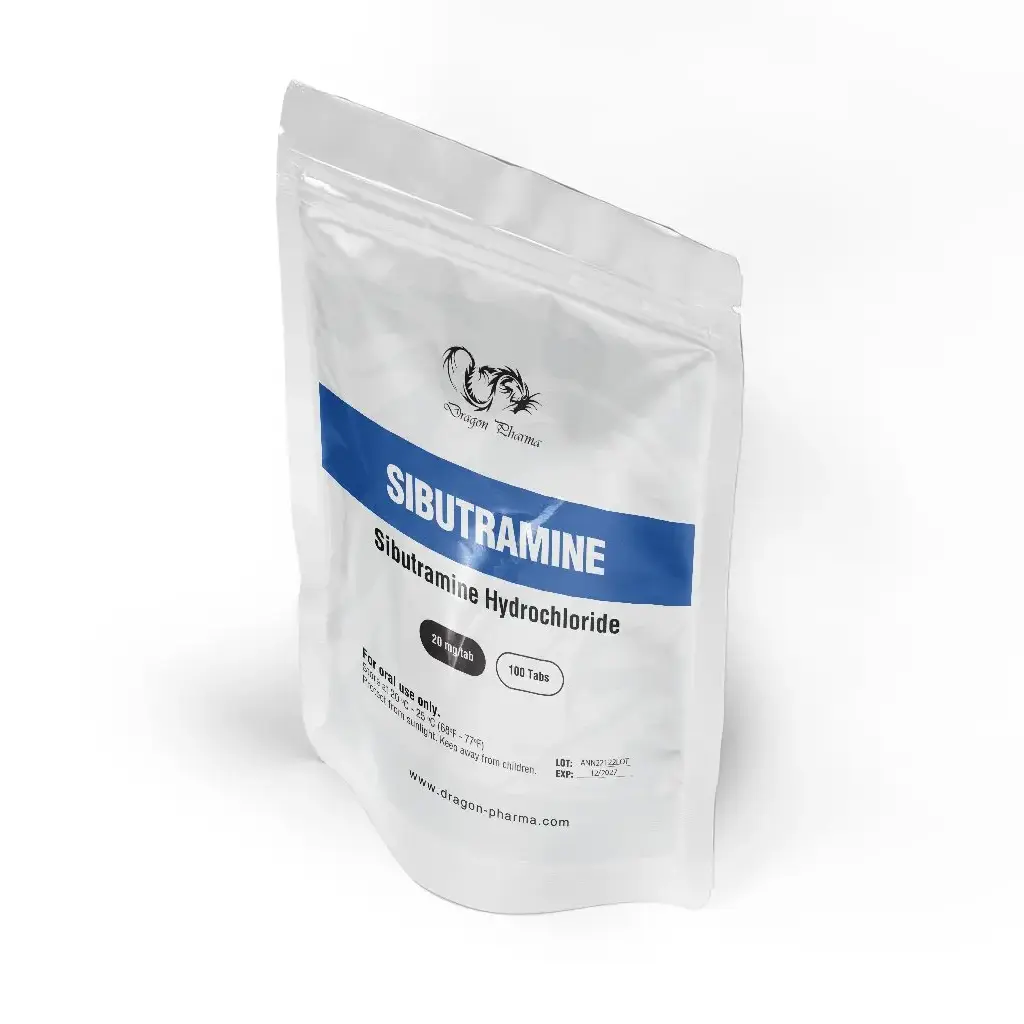
Understanding Sibutramine Hydrochloride Peptide: A Comprehensive Overview
In the world of health and medicine, new compounds and therapies emerge continuously, showing promise in various applications. One such compound is **Sibutramine Hydrochloride peptide**, which has garnered attention for its effects on weight management and appetite control. As we delve into this intriguing subject, we will explore its origins, current uses, potential future directions, and impacts on health. This exploration is not just for those in the medical field but also for anyone interested in understanding how such compounds may affect their wellness journey.
What is Sibutramine Hydrochloride?
Sibutramine Hydrochloride is a synthetic compound that was developed in the late 1980s by the pharmaceutical company Knoll AG. Initially, it was designed to assist in weight loss by altering neurotransmitter levels in the brain—specifically serotonin, norepinephrine, and dopamine. By enhancing feelings of satiety, Sibutramine aimed to help individuals manage their hunger and reduce overall caloric intake.
While it was approved by the FDA in the late 1990s, its usage has undergone scrutiny over the years. Concerns regarding cardiovascular risks led to it being withdrawn from the market in many countries, including the United States, by 2010. However, understanding Sibutramine's history provides insight into how our approach to medications can change in light of new evidence.
Current Uses and Implications in Medicine
Despite its withdrawal from the market in various regions, some specific uses still exist for Sibutramine, particularly in cases where weight management is crucial for healthcare outcomes. Some countries continue to use it under strict regulations, where patients are monitored closely for side effects. The peptide form of Sibutramine enhances its effectiveness, allowing for more targeted action within the body.
Today, healthcare professionals emphasize lifestyle changes over pharmacological interventions for weight loss. However, Sibutramine Hydrochloride peptides can serve as an adjunct therapy for select patients struggling with obesity, particularly in conjunction with diet and exercise changes. It's essential to weigh the benefits against potential health risks, making informed decisions based on individual health conditions.
The Future of Sibutramine Hydrochloride and Peptides in Weight Management
As the landscape of medicine evolves, so does the study of peptides and their potential roles in treating various conditions, including obesity. Research into Sibutramine Hydrochloride and similar compounds continues, aiming to understand the complete spectrum of their effects and how they might integrate with modern therapeutic practices.
Future developments could lead to improved formulations with fewer side effects, possibly paving the way for safer weight management therapies. The exploration of peptides in general suggests a promising avenue for innovative treatments, focusing on minimizing risk while maximizing efficacy.
Health Impacts and User Experiences
Understanding the health impacts of any medication is paramount. While Sibutramine Hydrochloride can be effective, it's essential to consider the potential side effects. Users have reported experiences ranging from success in weight loss to adverse effects like increased blood pressure and heart rate. Each individual's response can vary significantly, emphasizing the need for personalized medical guidance.
If you or someone you know has used Sibutramine Hydrochloride peptides, your feedback is invaluable! Sharing experiences can provide insights into the practical aspects of using these medications, helping others make informed choices.
Conclusion
In today's health-conscious world, knowledge is power. Sibutramine Hydrochloride peptides represent a fascinating chapter in the discourse on weight management and therapeutic intervention. Whether you are a healthcare professional, a patient, or someone simply curious about health trends, understanding the nuances of compounds like Sibutramine can empower your decisions.
Engaging with the community, sharing stories, and seeking advice from those who have experienced Sibutramine Hydrochloride can strengthen our collective knowledge. As we continue to navigate the complexities of health and medicine, staying informed will always be a vital part of our wellness journey. Remember, every piece of information contributes to a broader understanding, helping us work towards healthier lives.
No reviews found
Please log in to write Sibutramine review.
Sibutramine FAQ
What is Sibutramine and how does it work?
Sibutramine is a medication that was primarily used as an appetite suppressant to aid in weight loss. It works by affecting certain neurotransmitters in the brain, particularly serotonin, norepinephrine, and dopamine. By increasing the levels of these chemicals, Sibutramine helps to reduce hunger and increase feelings of fullness, making it easier for individuals to stick to a calorie-reduced diet.
Who is Sibutramine suitable for?
Sibutramine is typically prescribed for adults who are either overweight or obese, especially those over 45 who may find it harder to maintain a healthy weight due to metabolic changes. However, it's essential for individuals considering this medication to consult with their healthcare provider, as it may not be suitable for everyone, particularly those with certain health conditions.
What are the common side effects of Sibutramine?
Common side effects of Sibutramine can include increased heart rate, dry mouth, insomnia, constipation, and elevated blood pressure. These reactions can vary from person to person, and while some may experience mild symptoms, others may find them more challenging. It's important for users to monitor their health and discuss any concerning side effects with their doctor.
Are there any serious side effects associated with Sibutramine?
Yes, while many users may experience mild side effects, there are serious risks associated with Sibutramine as well. These can include cardiovascular issues such as heart attack or stroke, particularly in individuals with pre-existing heart conditions. Healthcare providers often evaluate a person's overall health and history before prescribing this medication to minimize these risks.
Is Sibutramine safe for long-term use?
Long-term use of Sibutramine is not recommended. Due to the potential for heart-related side effects and the overall effectiveness of weight management medications, healthcare providers usually suggest using it in the short term, combined with lifestyle changes like diet and exercise. Regular follow-ups with a healthcare professional are crucial to assess ongoing health and the need for medication.