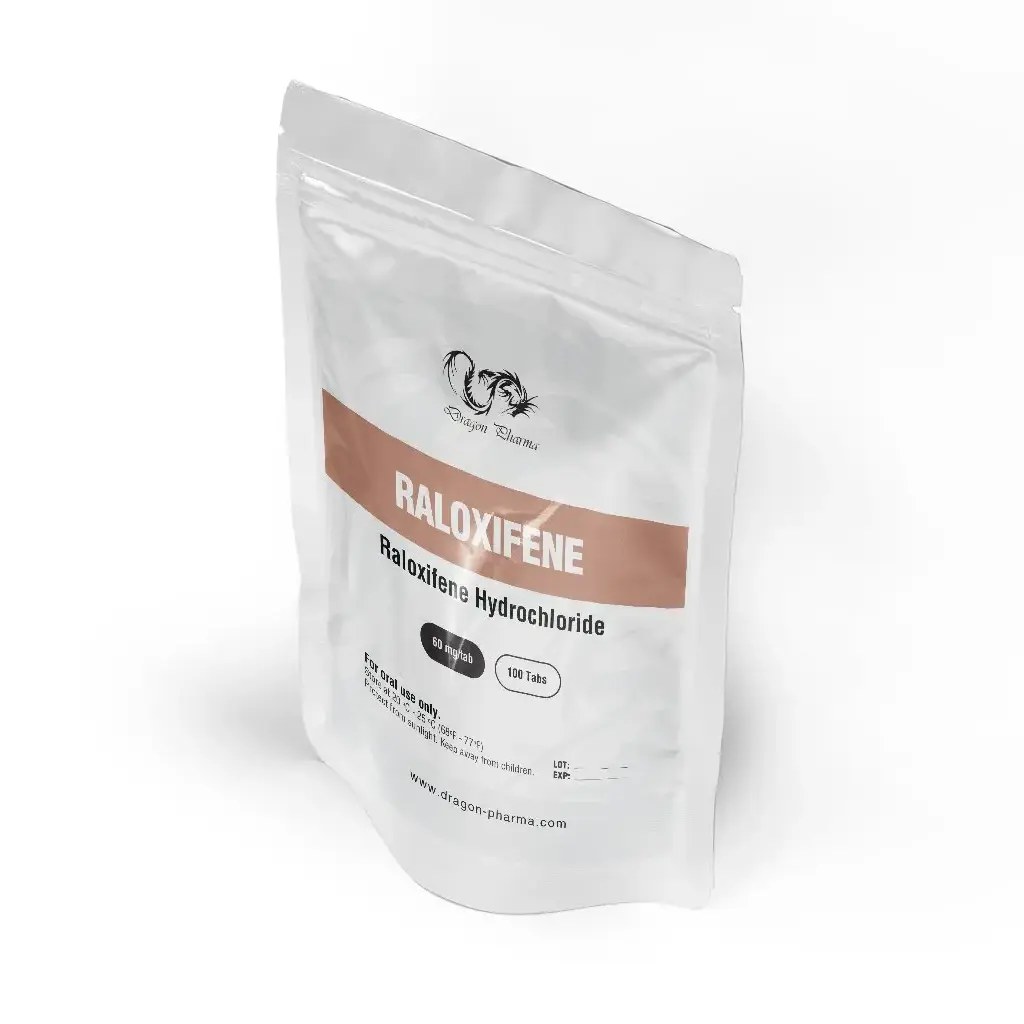
Raloxifene Dragon Pharma
Understanding Raloxifene Peptide: An Overview of Its Mechanism, History, and User Insights
Raloxifene peptide is becoming increasingly popular in the world of health and wellness, particularly for its unique role in treating certain medical conditions. As we dive into this topic, we will explore what exactly Raloxifene peptide is, its history, how it operates within the human body, and gather some insights from individuals who have used it.
What is Raloxifene Peptide?
Raloxifene peptide is a selective estrogen receptor modulator (SERM) that primarily acts on estrogen receptors in the body. Initially developed for its effects on bone density and the prevention of osteoporosis, it has garnered attention due to its potential role in various health applications. Unlike traditional estrogen therapy, Raloxifene peptide offers a targeted approach, providing the benefits of estrogen while minimizing undesired side effects associated with hormone therapies.
This compound is often classified within a broader category of peptides, which are short chains of amino acids that play pivotal roles in various biological functions. With ongoing research highlighting its capabilities, Raloxifene peptide has solidified its position in the medical landscape as a noteworthy therapeutic agent.
The Journey of Raloxifene Peptide: A Historical Perspective
Raloxifene was first introduced to the market in the late 1990s, with significant contributions to women's health. Its approval marked a pivotal moment in the treatment of postmenopausal osteoporosis, providing an alternative for those unable or unwilling to use estrogen replacement therapy. Over the years, as research progressed, the scope of Raloxifene peptide expanded beyond osteoporosis, leading to investigations into its potential benefits in breast cancer prevention and cardiovascular health.
The growing body of evidence surrounding Raloxifene peptide supports its utility in clinical settings, making it a point of interest for healthcare professionals and researchers alike. As studies continued to emerge, the future of Raloxifene peptide started looking promising, especially concerning its versatility in enhancing overall health.
How Does Raloxifene Peptide Work in the Human Body?
Understanding how Raloxifene peptide works involves exploring its interaction with estrogen receptors. When administered, Raloxifene binds selectively to these receptors, mimicking estrogen's positive effects on bone density and metabolic health. By stimulating certain pathways while inhibiting others, it helps reduce the risk of osteoporosis-related fractures and improve overall skeletal health.
Additionally, Raloxifene influences lipid metabolism, which can contribute to cardiovascular benefits, particularly in postmenopausal women at risk for heart disease. Notably, it also demonstrates an ability to block estrogen's action in breast tissue, presenting preventive potential against estrogen receptor-positive breast cancer.
The dual-action mechanism of Raloxifene peptide makes it an intriguing option for many patients seeking not only to address bone health but also to mitigate other health risks associated with hormonal changes in the body.
User Reviews: What Are People Saying About Raloxifene Peptide?
Gathering feedback from individuals who have used Raloxifene peptide can provide valuable insights on its effectiveness and safety. Many users report positive experiences, noting improvements in bone density and reduced anxiety about fracture risks. Some individuals have also mentioned feeling more balanced physically and mentally after initiating treatment.
However, like any medication, experiences vary. A handful of users reported mild side effects such as hot flashes or leg cramps but emphasized that the benefits outweighed these discomforts. Overall, the consensus leans toward Raloxifene peptide being a beneficial option for those needing specialized care in managing their health.
In conclusion, Raloxifene peptide stands out as a powerful tool in the realm of health treatments. With a rich history, a well-understood mechanism, and encouraging user reviews, it opens doors to exciting opportunities for future research and application. As our understanding of peptides advances, Raloxifene continues to shine as a promising agent in promoting well-being and tackling specific health challenges.
No reviews found
Please log in to write Raloxifene review.
Raloxifene FAQ
What is Raloxifene peptide, and how does it work?
Raloxifene is a selective estrogen receptor modulator (SERM) that mimics estrogen's beneficial effects on bone density while minimizing its impact on other tissues. It is commonly prescribed to prevent and treat osteoporosis in postmenopausal women. The mechanism of action involves binding to estrogen receptors, primarily in bone tissue, leading to decreased bone resorption and increased bone mineral density. By selectively targeting these receptors, Raloxifene provides the advantages associated with estrogen without some of the associated risks, such as breast or uterine cancers.
What are the possible side effects of Raloxifene?
While Raloxifene is generally well-tolerated, it may cause several side effects. Common side effects include hot flashes, leg cramps, and an increased risk of deep vein thrombosis (DVT) and pulmonary embolism. Some patients may also experience gastrointestinal issues, such as nausea. It is important for individuals, particularly those with a history of clotting disorders, to discuss their medical history with healthcare providers to mitigate potential risks.
What are the potential benefits of taking Raloxifene for individuals over 41?
Individuals over the age of 41, especially women undergoing menopause, may find several benefits from Raloxifene. These include improved bone density, thus reducing the risk of osteoporosis and skeletal fractures. Furthermore, it may offer protection against cardiovascular diseases by positively influencing cholesterol levels. Raloxifene also has a favorable profile in terms of breast cancer risk, as it does not stimulate breast tissue in the same way estrogen does, potentially lowering the risk of hormone-receptor-positive breast cancer. Therefore, it can be an effective medication for managing menopausal symptoms while also providing bone and heart health benefits.