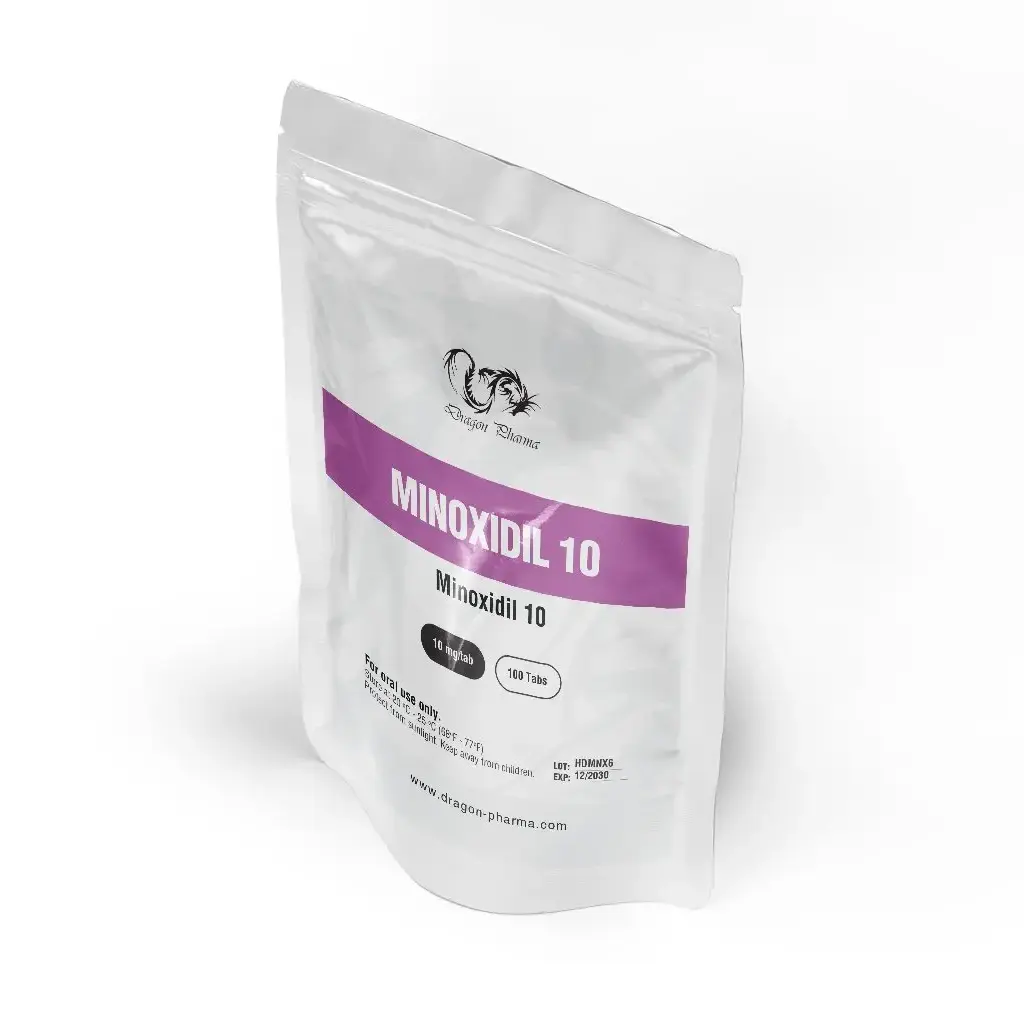
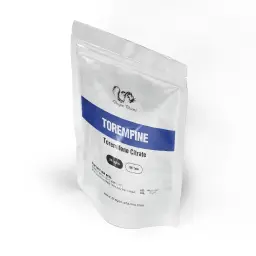
Minoxidil peptide by Dragon Pharma
Exploring Minoxidil Peptide: Origins, Applications, and Health Considerations
Minoxidil peptide is a term that has gained traction in both medical and athletic communities in recent years. Whether you're curious about its origins, its applications, or potential health risks, this article will provide a comprehensive overview of this intriguing compound.
What is Minoxidil Peptide?
At its core, minoxidil peptide refers to a modified form of minoxidil, a medication originally developed as a treatment for hypertension. This innovative therapy works by dilating blood vessels, enhancing blood flow, and, interestingly, stimulating hair growth. The peptide variant of minoxidil harnesses these properties but in a more targeted manner, making it particularly appealing for individuals seeking hair restoration solutions. Peptides, being chains of amino acids, play crucial roles in biological functions, and combining them with minoxidil enhances its efficacy, specifically in stimulating hair follicles and promoting growth.
The Discovery of Minoxidil Peptide
The journey of minoxidil began in the late 1950s when it was discovered by scientists at the Upjohn Company as a treatment for ulcers. However, it was in the 1970s that researchers realized its potential for treating high blood pressure and hair loss. The introduction of minoxidil in topical formulations, particularly for alopecia, revolutionized the approach to hair restoration. The peptide modification is a more recent innovation aimed at increasing the effectiveness of minoxidil in selective medical and cosmetic uses. This evolution highlights the ongoing pursuit of improving treatment options based on existing compounds.
Uses in Medicine and Sports
In medicine, minoxidil peptide is primarily used for hair loss treatments, especially male and female pattern baldness (androgenetic alopecia). Patients apply topical solutions containing minoxidil peptides directly to the scalp, leading to improved hair density and slowed hair loss.
In the realm of sports and fitness, minoxidil peptides have attracted attention for their potential to promote hair regrowth among athletes experiencing hair thinning due to stress or genetics. While not a performance-enhancing drug in the traditional sense, athletes value its ability to restore confidence and maintain a youthful appearance, indirectly influencing their performance mindset.
Health Risks and Considerations
While minoxidil peptide is generally well-tolerated, it's essential to be aware of potential side effects. Common reactions may include scalp irritation, unwanted facial hair growth, and dizziness. More serious risks, although rare, can involve cardiovascular issues, especially if misused. Therefore, it's crucial to consult with a healthcare professional before starting any new treatment regimen. Understanding both the benefits and the risks helps individuals make informed choices and maximize safety.
Community Feedback and Experiences
If you've used minoxidil peptide, your feedback could be invaluable! Personal experiences can offer insights into its effectiveness and any challenges faced during use. Sharing your story could help others navigate their journey with this treatment.
In conclusion, minoxidil peptide represents a fascinating blend of historical research and modern medical application. From its discovery to its various uses, understanding this compound broadens the conversation around hair restoration and health. As always, informed decision-making is key to any treatment, and community feedback plays a significant role in shaping perceptions and experiences.
No reviews found
Please log in to write Minoxidil review.
Minoxidil FAQ
What is Minoxidil peptide and how does it work?
Minoxidil peptide is a hair growth treatment that combines minoxidil (a vasodilator) with peptides (amino acid chains). It helps by increasing blood flow to hair follicles and stimulating hair regrowth, especially for genetic hair loss.
Is Minoxidil peptide safe for adults in their 40s and 50s?
Yes, it is generally safe for this age group when used as directed. Common side effects are mild, like scalp irritation or unwanted facial hair. Always check with your doctor before starting, especially if you have heart conditions or take other medications.
How long does it take to see results from Minoxidil peptide?
Most users notice reduced hair shedding after 2–4 months, with visible regrowth typically appearing after 6–12 months of consistent daily use. Results vary by individual and the extent of hair loss.
Can I use Minoxidil peptide with other hair loss treatments?
Often yes—it can be combined with anti-androgen medications (like finasteride) or low-level laser therapy. However, always consult your healthcare provider to avoid interactions or excessive absorption of active ingredients.