Exploring Adipotide Peptide: Mechanism, Research, and User Insights
In the ever-evolving world of health and wellness, the spotlight often shines on innovative compounds that promise to enhance our bodies' abilities. One such compound gaining traction in fitness and weight loss circles is Adipotide peptide. This potent peptide has sparked interest among scientists and fitness enthusiasts alike due to its unique properties and potential benefits. But what exactly is Adipotide peptide, how does it work in the human body, and what do individuals who have used it have to say? Let's dive into this fascinating topic.
What is Adipotide Peptide?
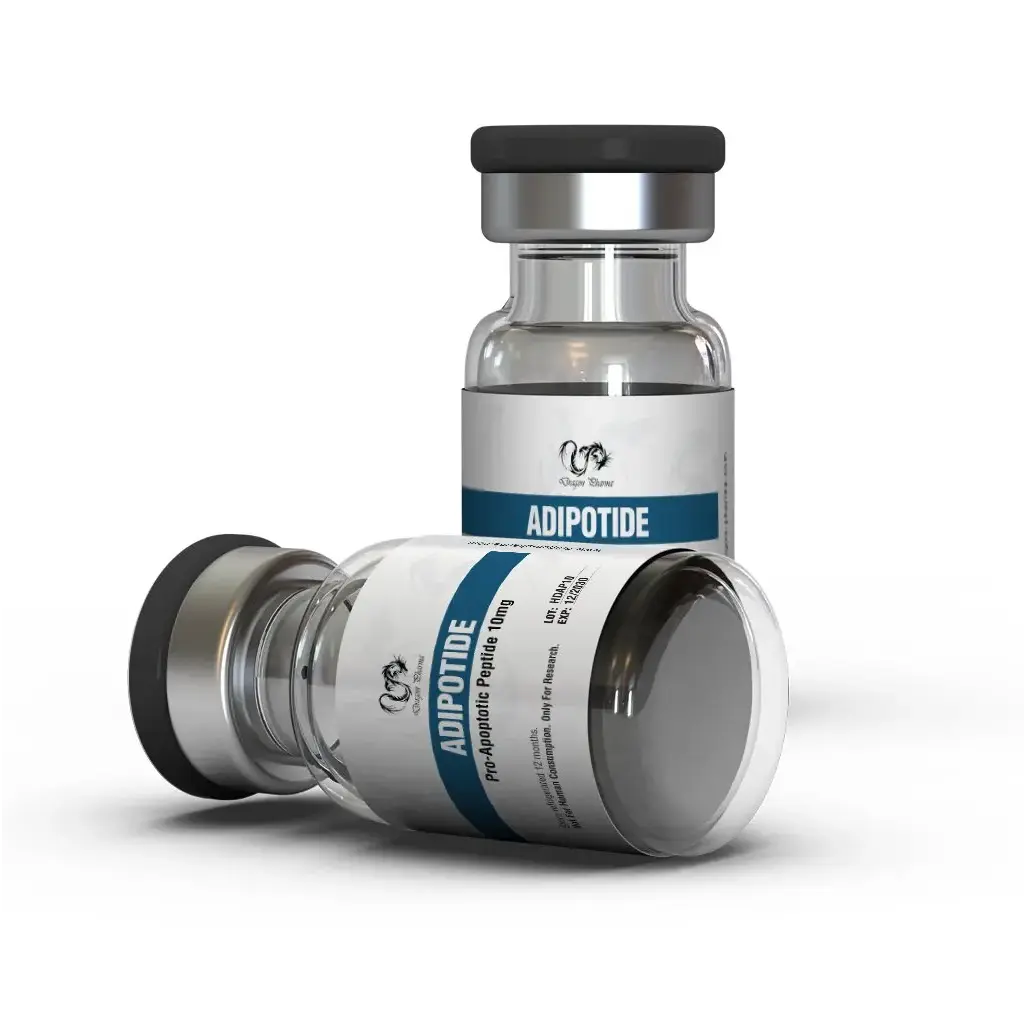
Adipotide peptide, scientifically known as AOD9604, is a synthetic peptide that was originally developed as a potential obesity treatment. It is composed of 14 amino acids and was designed to target and reduce fat deposits in the body. Unlike traditional weight-loss drugs that often focus solely on appetite suppression or metabolic enhancement, Adipotide operates by specifically targeting adipose (fat) tissue and promoting its breakdown.
Researchers have found that Adipotide encourages the apoptosis (programmed cell death) of fat cells, effectively reducing fat mass without the negative impact on lean muscle tissue. This mechanism is particularly appealing for those looking to shed unwanted pounds while maintaining their hard-earned muscle.
How Does Adipotide Work in the Human Body?
The body's ability to store and burn fat is a complex interplay of hormones, enzymes, and cellular signals. Adipotide peptide disrupts this equilibrium by binding to specific receptors on the surface of fat cells, which triggers a cascade of biological responses leading to fat breakdown.
When administered, Adipotide stimulates the body to accelerate the process of lipolysis, where triglycerides are broken down into free fatty acids and glycerol. This not only helps in mobilizing stored fat but also improves insulin sensitivity, which can further facilitate weight loss and improve overall health. Furthermore, the sparing effect on lean muscle mass means that users may experience a more toned appearance rather than just a reduction in scale weight.
Research on Adipotide Peptide
While the anecdotal evidence surrounding Adipotide's effectiveness is substantial, scientific studies provide a more concrete understanding of its potential. Initial research has shown promising results in animal models, where significant reductions in body fat and improvements in metabolic markers were observed. These studies indicated that Adipotide could effectively reduce weight gain and provide a viable option for combating obesity-related health issues.
However, it's essential to note that comprehensive clinical trials in humans are limited, and much of the data is still emerging. As researchers continue to explore the broader implications and safety profiles of Adipotide peptide, users should approach the peptide with informed caution and consult healthcare professionals before considering its use.
User Feedback and Community Insights
As with any supplement or peptide, community feedback plays a crucial role in understanding its real-world effects. Individuals who have tried Adipotide often share varied experiences. Many report noticeable changes in body composition, including reduced fat percentage and enhanced muscle definition. Users appreciate the compound's targeted approach, as it appears to facilitate fat loss more efficiently than conventional methods.
Conversely, some users express concerns regarding side effects, such as injection site reactions or fluctuations in energy levels. As always, individual responses can vary widely based on personal health conditions, lifestyle factors, and adherence to dosage recommendations. For anyone contemplating the use of Adipotide peptide, engaging in discussions with others who have firsthand experience can provide valuable insights and help manage expectations.
Conclusion
Adipotide peptide represents an exciting avenue in the quest for effective weight management strategies. Its unique mechanism of action offers the potential for targeted fat loss while preserving muscle mass, making it an intriguing option for fitness enthusiasts looking to enhance their results. While the research is ongoing and user experiences can vary, gaining insights from both scientific studies and community feedback can empower individuals to make informed decisions. As the exploration of peptides continues to evolve, staying well-informed will be key to navigating this promising yet complex landscape. Have you used Adipotide peptide? We'd love to hear your thoughts and experiences!
No reviews found
Please log in to write Adipotide review.
Adipotide FAQ
What is a pro-apoptotic peptide?
A pro-apoptotic peptide is a short sequence of amino acids that promotes programmed cell death, a crucial process in maintaining cellular homeostasis. These peptides can induce apoptosis by interacting with cellular components, such as mitochondrial membranes, ultimately leading to the activation of caspases—enzymes that execute the death program in cells. Understanding the mechanism of pro-apoptotic peptides is essential for their application in various health and therapeutic contexts.
How does a pro-apoptotic peptide function?
The function of a pro-apoptotic peptide involves several biochemical pathways that trigger apoptosis. Typically, these peptides can bind to specific receptors on the cell surface or penetrate the cell membrane to engage intracellular pathways. This interaction leads to changes in mitochondrial membrane potential and the release of cytochrome c, which activates caspases. Further, they can inhibit anti-apoptotic proteins, shifting the balance towards cell death. This targeted approach to eliminating damaged or dysfunctional cells is vital in both therapeutic and clinical settings.
Why is it utilized by the bodybuilding community?
Within the bodybuilding community, pro-apoptotic peptides are often utilized to optimize the balance between muscle hypertrophy and apoptosis, which can help manage the life cycle of muscle cells. Bodybuilders may be interested in utilizing these peptides to promote the turnover of damaged muscle cells, allowing for the regeneration and growth of new, healthier muscle fibers. This strategic approach can enhance recovery, improve overall muscle quality, and potentially contribute to achieving specific fitness goals.
Are there non-bodybuilding applications for pro-apoptotic peptides?
Yes, pro-apoptotic peptides have broader applications beyond bodybuilding. They are being researched and applied in various medical fields, including oncology, where inducing apoptosis in cancer cells can be a vital component of treatment strategies. Additionally, they are explored in regenerative medicine, anti-aging therapies, and conditions involving excessive cell proliferation or dysfunction. The versatility of these peptides in different therapeutic contexts underscores their significance in promoting cellular health and wellness.