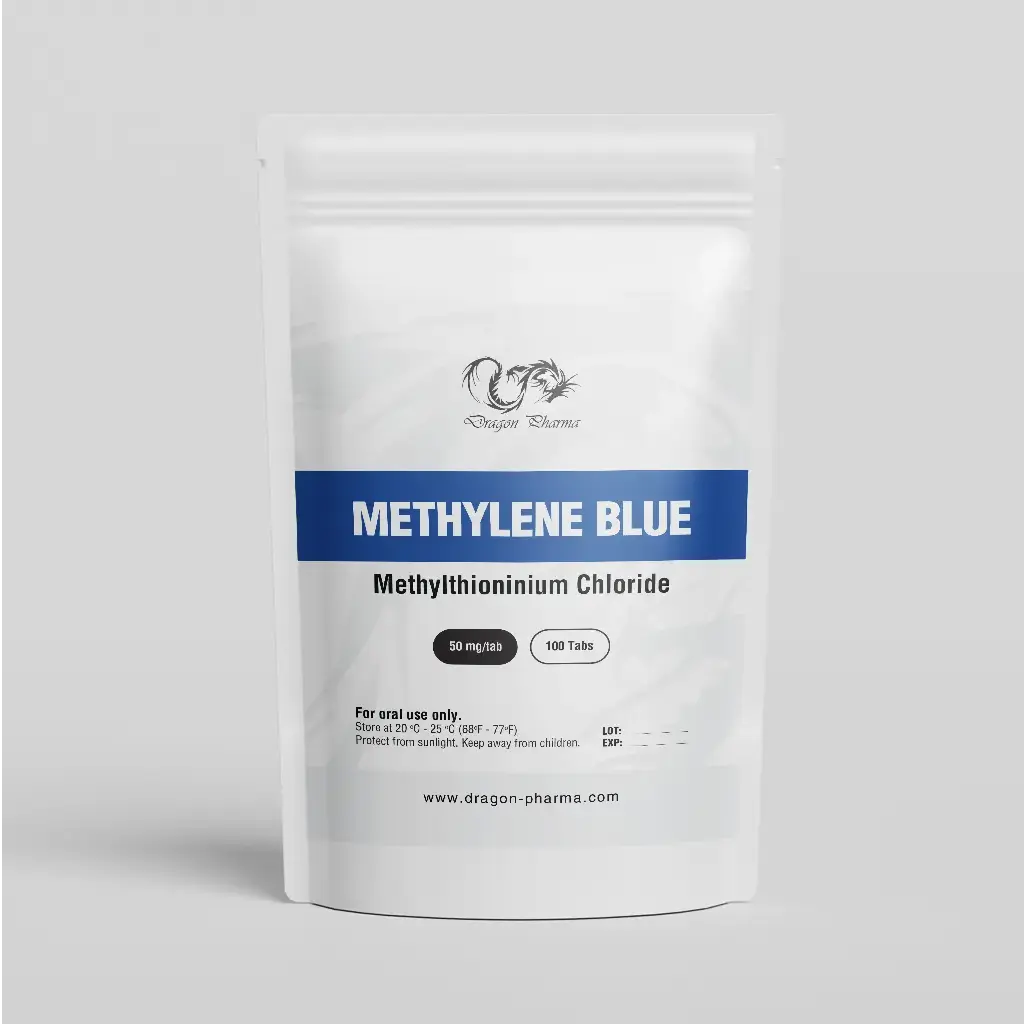
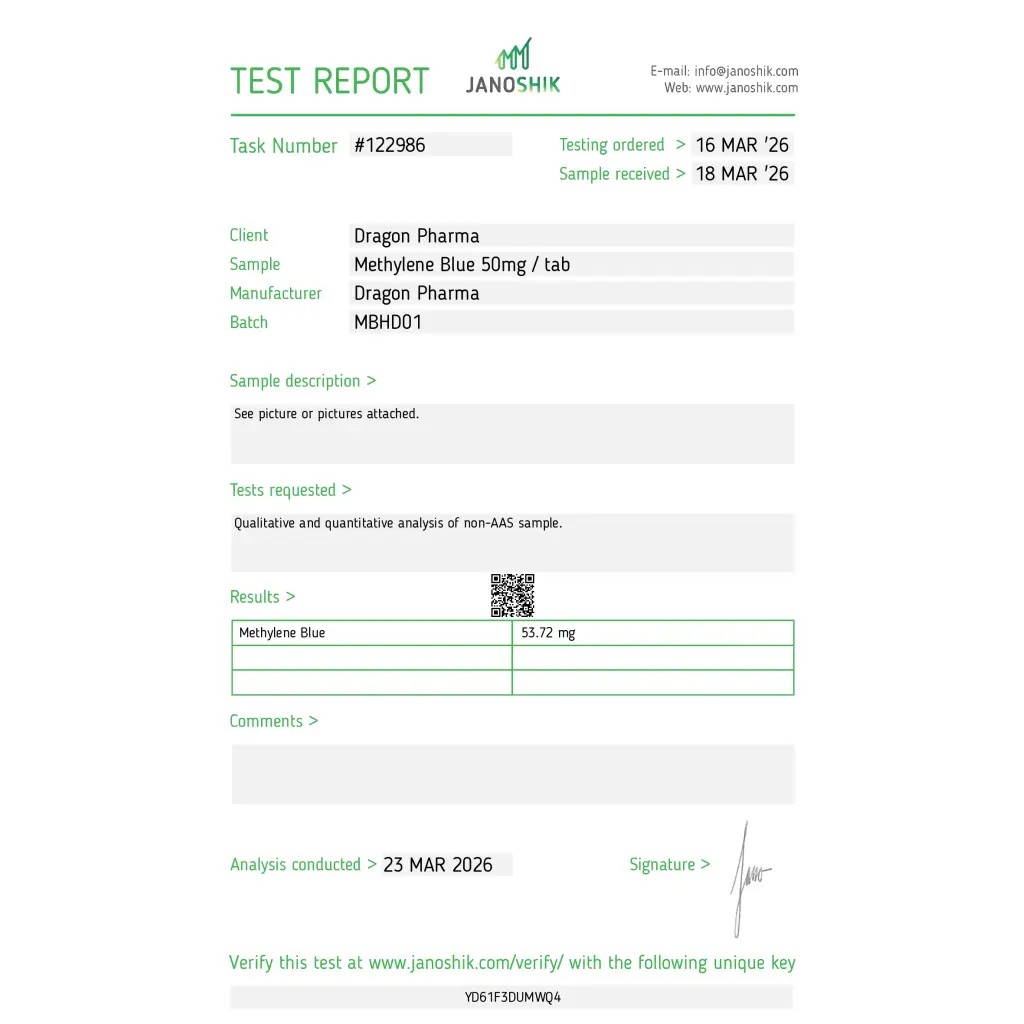
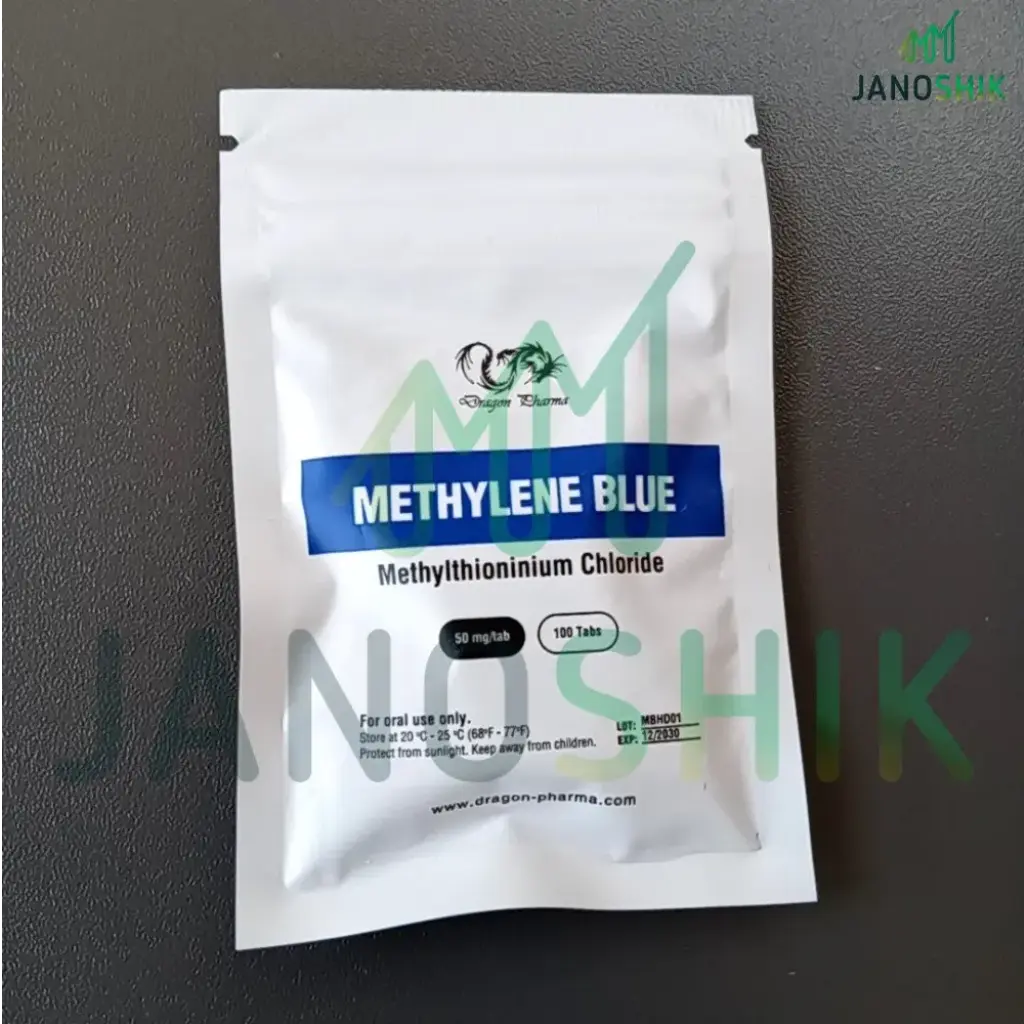
Methylene Blue (Methylthioninium Chloride)
No reviews found
Please log in to write Methylene Blue review.
Methylene Blue FAQ
What is Methylene Blue peptide?
Methylene Blue peptide is a compound derived from Methylene Blue, a synthetic dye with a long history of use in medicine. It acts as a versatile agent that can influence cellular processes. As a peptide, it may have enhanced properties related to cell signaling and regulation. Methylene Blue itself has been used for a variety of medical purposes, including as an antidote for certain types of poisoning and as a treatment for specific medical conditions, like methemoglobinemia.
In which situations is Methylene Blue peptide used?
Methylene Blue peptide is used in various medical situations, primarily for its potential to improve cellular function and support mitochondrial health. It may be used in research settings to study its effects on neurodegenerative diseases, as it has shown promise in protecting neurons and improving cognitive function. Additionally, it has applications in treating conditions related to blood disorders and infections, while also being explored for its role in certain experimental treatments.
What are some possible side effects of Methylene Blue peptide?
While Methylene Blue peptide is generally regarded as safe when used appropriately, some potential side effects include nausea, headache, dizziness, and allergic reactions in sensitive individuals. It's important for users to be aware of these risks, especially if they have pre-existing health conditions. As with any treatment, consulting a healthcare professional is recommended to assess both benefits and risks based on individual health circumstances.
Can Methylene Blue peptide interact with other medications?
Yes, Methylene Blue peptide can interact with certain medications, particularly those that affect serotonin levels, such as antidepressants. This interaction may lead to a serious condition called serotonin syndrome. Other medications to be cautious with include anticoagulants, as Methylene Blue may affect their efficacy. It's essential to inform your healthcare provider about all medications you are taking before starting Methylene Blue peptide to minimize potential interactions.
Is Methylene Blue peptide safe for everyone to use?
While Methylene Blue peptide can be beneficial, it isn't necessarily safe for everyone. Certain populations, such as individuals with G6PD deficiency, pregnant women, or those with specific health issues, should avoid it due to potential complications. Always consult with a healthcare provider before starting any new supplement or treatment to determine if it's appropriate for your health status and to ensure it doesn't conflict with any existing treatments.