Turanabol: An Insight into Its Origins, Uses, and Health Risks
Turanabol, a popular anabolic steroid, has gained attention in both the realms of sports performance and medical treatment. Its intriguing history and multifaceted applications make it a subject of interest for anyone looking to understand its impact on health and athletic performance.
What is Turanabol?
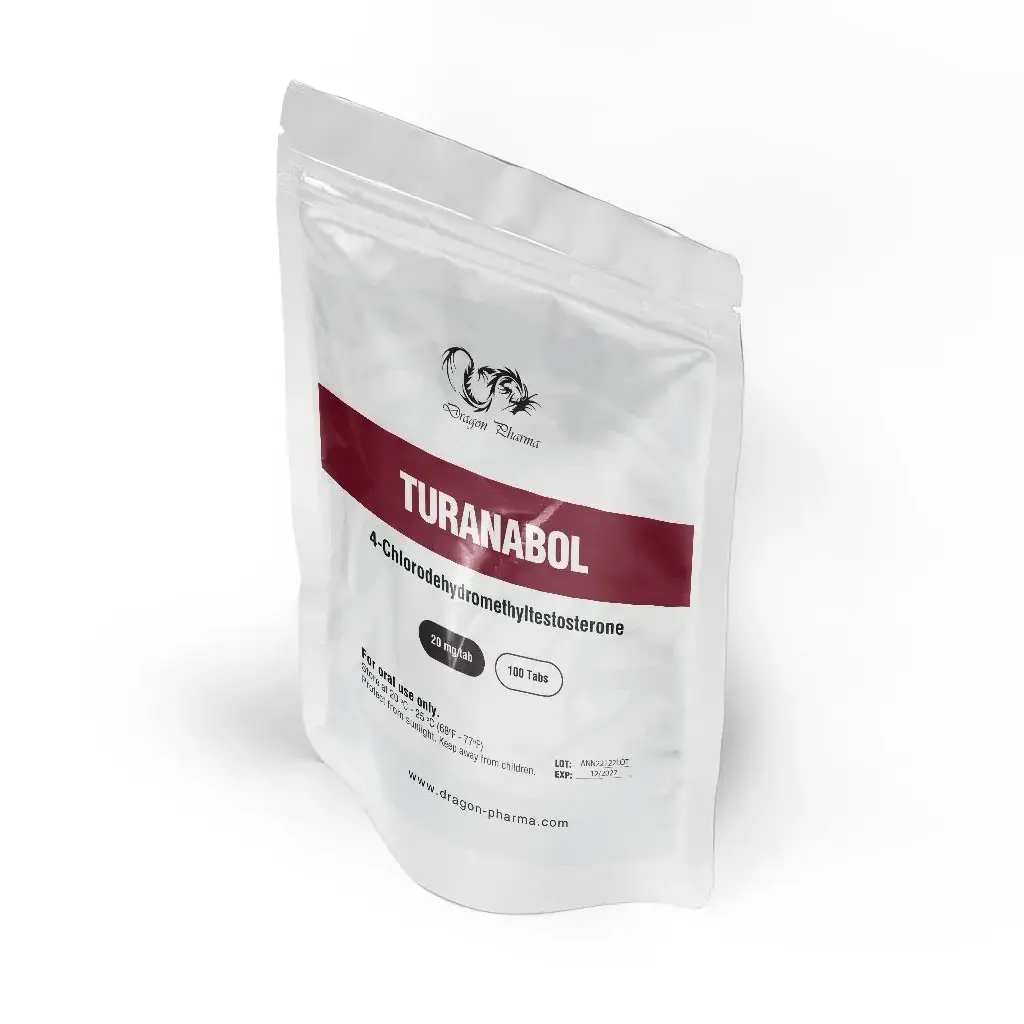
Turanabol, chemically known as chlorodehydromethyltestosterone, is an oral anabolic androgenic steroid (AAS) that promotes muscle growth and enhances physical performance. It is a derivative of testosterone with modified molecular structures, which helps in reducing androgenic side effects while maintaining anabolic properties. This makes it particularly appealing to athletes and bodybuilders seeking to improve their physique without undergoing excessive hormonal fluctuations.
The Creation of Turanabol
Developed in the 1960s by the East German pharmaceutical company Jenapharm, Turanabol was initially synthesized as part of the country's state-sponsored doping program. The drug was used to enhance the performance of athletes during the Cold War period, illustrating a strategic move to excel in international sports competitions. Over the years, Turanabol has been utilized not only in sports but also has found applications in the medical field for treating various conditions. Its ability to increase muscle mass and strength made it beneficial for patients suffering from muscle-wasting diseases and other chronic illnesses.
Turanabol in Medicine and Sports
In medicine, Turanabol is typically prescribed to assist individuals recovering from surgery, traumatic injuries, or severe weight loss due to illness. Its anabolic properties support muscle regeneration and fat reduction, contributing to a patient's overall recovery. However, its illicit use in sports for performance enhancement has overshadowed its medical benefits. Athletes often favor Turanabol for its ability to provide a lean muscle gain, improved endurance, and expedited recovery times. Unlike some other steroids, it tends to have a lower incidence of water retention, making it ideal for those seeking aesthetic improvements alongside functional gains.
Health Risks Associated with Turanabol
While Turanabol may offer advantages in terms of muscle growth and athletic performance, it is essential to consider the potential health risks associated with its use. Like many anabolic steroids, Turanabol can lead to a range of side effects. Common issues include liver toxicity, cardiovascular problems, hormonal imbalances, and psychological effects such as aggression and mood swings. Additionally, the suppression of natural testosterone production can result in long-term endocrine disruption, necessitating post-cycle therapy for those who cycle off the drug.
Moreover, due to its potential for abuse, Turanabol has been classified as a controlled substance in many countries, leading to legal consequences for its non-medical use. Athletes caught using Turanabol face significant penalties, including disqualification from competitions and tarnished reputations.
Conclusion on Turanabol
In summary, Turanabol is a powerful anabolic steroid with a rich history rooted in both athletic enhancement and medical application. While it can offer considerable benefits in muscle growth and recovery, the associated health risks cannot be overlooked. Understanding the implications of its use is crucial for anyone considering Turanabol, whether for athletic purposes or therapeutic reasons. As always, a well-informed approach is essential in promoting health and achieving sporting goals without compromising one's well-being.
No reviews found
Please log in to write Turanabol 20 review.
Turanabol 20 FAQ
What is Turanabol and its primary application in aesthetic contexts?
Turanabol, scientifically known as chlorodehydromethyltestosterone, is an anabolic-androgenic steroid (AAS) that has historically found application in bodybuilding and other physique-oriented sports. Its purported benefits for individuals focused on aesthetics include promoting lean muscle mass accretion and enhancing strength. Unlike some other AAS, Turanabol is characterized by its oral administration and a chemical structure that suggests a lower propensity for estrogenic side effects, which can be a concern for those aiming for a lean, well-defined physique without significant water retention.
How does Turanabol purportedly contribute to physique enhancement, and what are the mechanisms involved?
Turanabol is understood to exert its effects by binding to androgen receptors within muscle cells. This binding initiates a cascade of events, including increased protein synthesis and reduced protein breakdown, leading to muscle hypertrophy (growth). It is also believed to enhance nitrogen retention, further supporting muscle anabolism. For individuals pursuing aesthetic goals, this can translate to a more sculpted and dense musculature. The oral formulation is designed for absorption and utilization within the body, though the precise metabolic pathways and bioavailability can vary.
What are the commonly reported potential side effects associated with Turanabol use in the context of aesthetic pursuits?
While often discussed as having a more favorable side effect profile than some other oral steroids, Turanabol is not without potential risks. For individuals focusing on appearance, common concerns include liver strain due to oral administration, which necessitates careful monitoring and potentially liver-support supplements. Androgenic side effects such as acne, hair loss (in genetically predisposed individuals), and virilization in females (such as deepening of the voice or clitoral enlargement) are also possibilities. Suppression of natural testosterone production is a significant concern, requiring post-cycle therapy (PCT) to help restore endocrine function and preserve muscle gains.