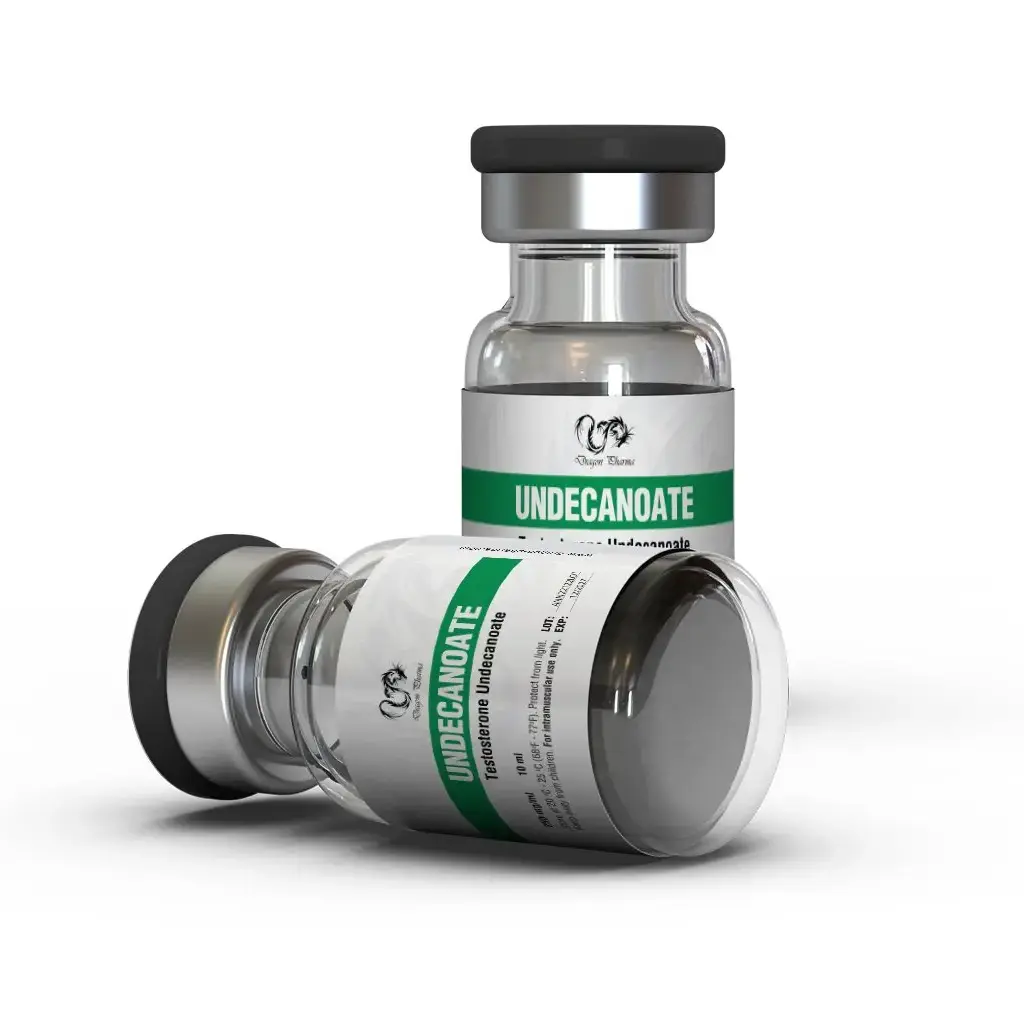
Testosterone Undecanoate: A Comprehensive Look at Its Discovery and Applications
Testosterone Undecanoate is a prominent anabolic steroid that has garnered attention in both medical and sports circles. This compound, used to treat various hormonal deficiencies, has a rich history and a multifaceted role in health and fitness. Understanding its origins, applications, and potential health risks can provide valuable insights into its significance.
The Discovery of Testosterone Undecanoate
Discovered in the 1960s, Testosterone Undecanoate was developed as part of a broader effort to harness the benefits of hormones for medical use. Researchers aimed to create a long-lasting formulation of testosterone that could be administered with fewer injections compared to other forms of testosterone replacement therapy. The undecanoate ester allows for a slow release of the hormone into the bloodstream, making it an effective solution for men suffering from low testosterone levels, a condition often associated with aging and various health issues.
Medical Uses and Benefits
In the realm of medicine, Testosterone Undecanoate is primarily utilized for treating hypogonadism, a condition characterized by insufficient testosterone production. This therapy helps restore hormonal balance, enhancing vitality, mood, and overall quality of life. Additionally, it supports muscle maintenance and fat distribution, which are crucial for maintaining a healthy physique. Many medical professionals appreciate its ability to deliver consistent testosterone levels, minimizing the peaks and troughs often associated with other treatments.
Testosterone Undecanoate in Sports
The allure of Testosterone Undecanoate extends beyond clinical settings into the world of sports. Athletes and bodybuilders frequently seek out this steroid to enhance their performance by increasing muscle mass and strength. The anabolic properties of Testosterone Undecanoate allow athletes to push beyond their limits, gaining significant advantages in competitive environments. However, this pursuit of muscle gain and strength through steroids raises ethical concerns around fair play and the integrity of sports.
Health Risks and Considerations
While Testosterone Undecanoate offers various benefits, potential health risks must be considered. Side effects may include hormonal imbalances, increased aggression, and cardiovascular issues. Long-term use can lead to dependency and the suppression of natural hormone production, which is a critical concern for users. Additionally, improper administration or excessive dosages can exacerbate these risks. Athletes and individuals contemplating its use should engage in thorough discussions with healthcare providers to carefully weigh the pros and cons.
Conclusion
Testosterone Undecanoate stands as a significant compound in the discourse around hormones, athletic performance, and health. From its discovery to its multifaceted applications in medicine and sports, understanding this steroid's role is essential for anyone considering its use. As with any therapeutic agent, informed choices and medical oversight are crucial to ensure safety and efficacy. By recognizing both its benefits and risks, individuals can navigate the complexities of hormone supplementation with greater awareness.
No reviews found
Please log in to write Testosterone Undecanoate review.
Testosterone Undecanoate FAQ
What is Testosterone Undecanoate and how does it work?
Testosterone Undecanoate is a form of testosterone that is administered via intramuscular injection or orally as a soft gel. It is classified as an oil-based testosterone ester, which means it is designed for slower release into the bloodstream. Once in circulation, it binds to androgen receptors, facilitating the development of male sexual characteristics and influencing various bodily functions, including muscle and bone health, mood regulation, and overall energy levels. Its unique structure allows for a more extended half-life compared to other forms of testosterone, leading to less frequent dosing schedules.
What are the primary uses of Testosterone Undecanoate in clinical settings?
Testosterone Undecanoate is primarily used in the treatment of male hypogonadism, a condition characterized by insufficient testosterone production. It may also be employed in hormone replacement therapy (HRT) for men experiencing significant declines in testosterone levels due to aging or other medical conditions. Additionally, it is sometimes prescribed to improve athletic performance, although such use is not without controversy and may not be legal in all sporting contexts. In clinical settings, careful monitoring is required to assess hormone levels and adjust dosages accordingly.
Are there any potential side effects associated with Testosterone Undecanoate?
Like any hormonal therapy, Testosterone Undecanoate may lead to various side effects. Commonly reported effects include acne, changes in libido, mood swings, and potential weight gain. More serious side effects can involve cardiovascular issues, liver dysfunction, and an increased risk of prostate abnormalities. It is crucial for patients to engage in thorough consultations with their healthcare providers to understand the risk-benefit ratio of treatment, as well as undergo regular follow-up examinations to monitor health status during therapy.