Testosterone Cypionate: A Comprehensive Overview
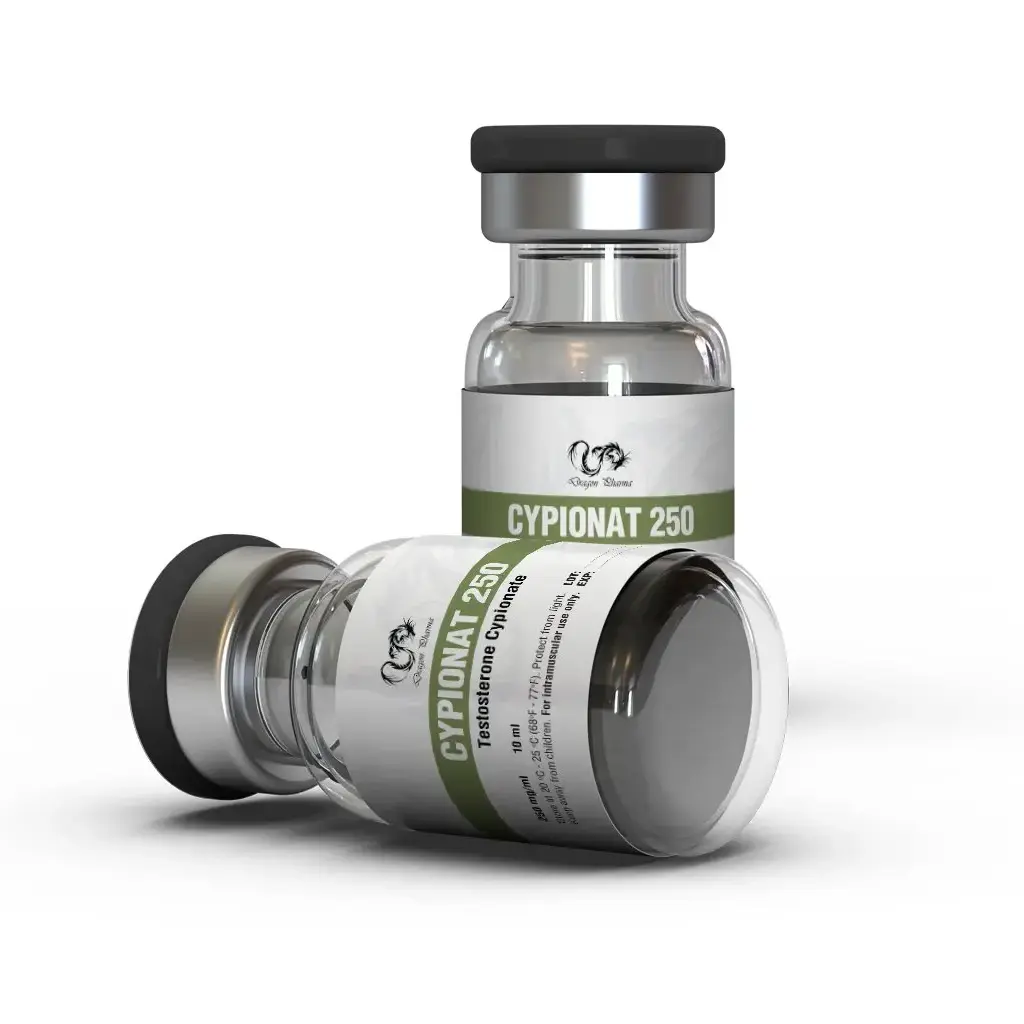
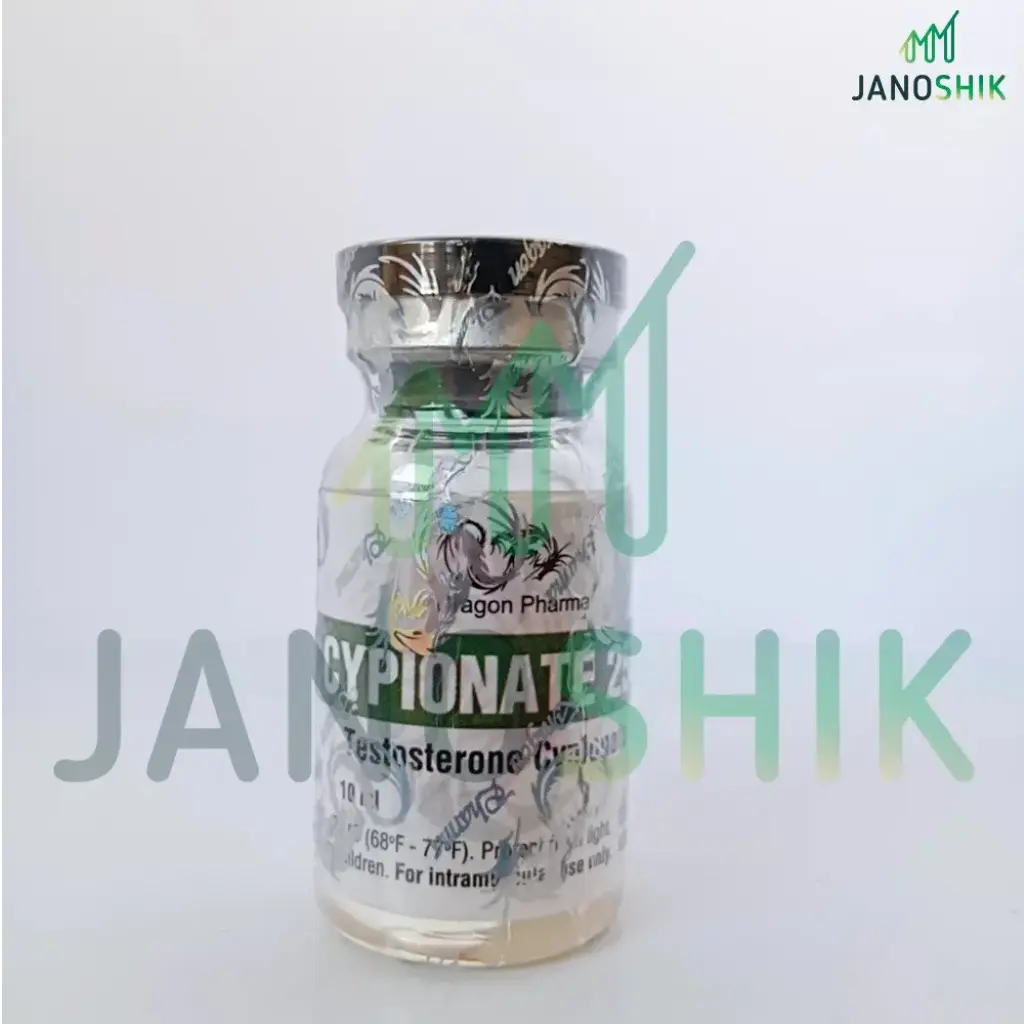
Testosterone Cypionate is a synthetic form of testosterone, a vital hormone that plays a crucial role in various bodily functions. It's primarily used in medicine to treat individuals with low testosterone levels and has also gained popularity in the sports and fitness communities due to its performance-enhancing properties.
What is Testosterone Cypionate?
Testosterone Cypionate is an ester of testosterone, which means it is a modified version that allows for slower absorption into the bloodstream. This slow-release mechanism provides a steadier balance of testosterone levels. It is commonly prescribed for men who experience symptoms related to testosterone deficiency, such as fatigue, decreased libido, and mood changes.
Medical Applications of Testosterone Cypionate
In the realm of medicine, Testosterone Cypionate serves several purposes. It's primarily used in hormone replacement therapy (HRT) for men suffering from hypogonadism. This condition can cause various physical and psychological issues. By restoring testosterone levels, patients often experience improved energy levels, enhanced mood, and increased muscle strength. Additionally, it can help improve bone density, reducing the risk of osteoporosis.
Use in Sports and Fitness
Beyond its medical applications, Testosterone Cypionate is increasingly popular in the sports community, particularly among athletes involved in activities like MMA and bodybuilding. Many individuals turn to this anabolic steroid to enhance muscle mass, strength, and recovery times. However, it's essential to note that the use of testosterone for performance enhancement is often a topic of controversy and is banned in many competitive sports. Athletes should always be aware of the regulations within their sport to avoid potential sanctions.
What Cypionate represents today
Testosterone Cypionate represents a significant advancement in both medical treatments for hormonal imbalances and in the world of athletic performance. Whether you're considering it for health reasons or exploring its effects in sport, it's crucial to approach this substance responsibly. For those curious about how it can impact your fitness journey or overall health, feel free to leave a comment or share your thoughts below! And don't forget to check out more articles on dragonpharmacy.to website to stay informed on all things fitness and health-related!
Cypionat 250 Reviews
Please log in to write Cypionat 250 review.
Cypionat 250 FAQ
What is testosterone cypionate, and how does it function in the body?
Testosterone cypionate is a synthetic form of the naturally occurring hormone testosterone. It works by replacing or supplementing the body's own testosterone levels when they are abnormally low. Once injected into muscle tissue, the medication is slowly released into the bloodstream, where it binds to androgen receptors. This binding supports the development and maintenance of male characteristics, muscle mass, bone density, red blood cell production, and libido.
How is testosterone cypionate used by bodybuilders?
WEEKS
1-10 Testosterone Cypionate @250mg/week;
PCT with Clomid starts 2 weeks after last injection
PCT WITH CLOMID
==============================
Day 1 – Clomid 100mg
Day 2 - Clomid 100mg
Following 20 days – Clomid 50mg
*If needed you can take it for 5-7 days more at 25mg/day dosage.
TABS are taken with food.
==============================
How long does it take for testosterone cypionate injections to show effects?
Patients often begin noticing improvements in energy, mood, and libido within the first two to four weeks of treatment. Changes in muscle mass, body composition, and bone density may take several months to become apparent. The full therapeutic benefit is usually achieved after three to six months of consistent, prescribed dosing. Individual response times can vary based on dosage, injection frequency, and overall health.
Are there any common side effects or risks associated with testosterone cypionate therapy?
Yes, as with any prescription medication, there are potential side effects. Common ones include acne, oily skin, mild fluid retention, and an increase in red blood cell count. More serious risks can involve worsening of sleep apnea, prostate enlargement, and a higher likelihood of blood clots. It is essential to undergo regular monitoring—such as blood tests and prostate exams—while on therapy. Any concerns should be discussed with the prescribing healthcare professional.



August 1, 2026
All good.