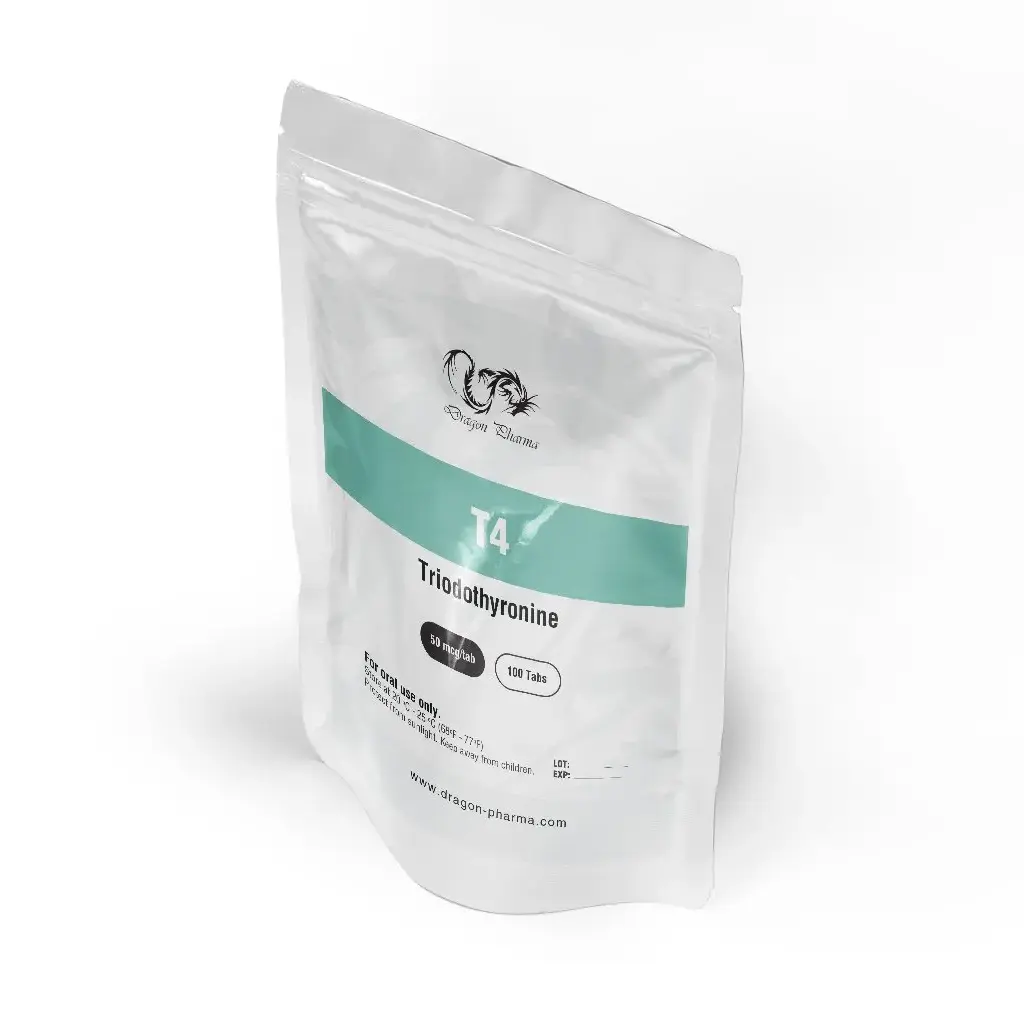
T4 Dragon Pharma
Understanding T4 Levothyroxine: A Comprehensive Overview
If you've ever wondered, "What is T4 levothyroxine?" you're not alone. This medication plays a crucial role in managing thyroid hormone levels in those with hypothyroidism and other related conditions. In this article, we'll delve into what T4 levothyroxine is, its history, how it functions within the body, and hear from individuals who have personally navigated their health journeys using this medication.
What is T4 Levothyroxine?
T4 levothyroxine, commonly referred to simply as levothyroxine, is a synthetic form of the thyroid hormone thyroxine (T4). This hormone is essential for regulating metabolism, energy production, and overall growth and development in the human body. In individuals with an underactive thyroid gland—known as hypothyroidism—levels of T4 are insufficient, leading to various health issues such as fatigue, weight gain, and depression. Levothyroxine supplements the body's natural thyroid hormone, helping to restore balance and improve quality of life.
The History of Levothyroxine
Levothyroxine was first introduced to the medical market in the 1950s. Prior to this, the treatment options for hypothyroidism were quite limited, often relying on animal-derived thyroid extracts that could vary significantly in potency. The introduction of synthetic levothyroxine revolutionized the approach to treating thyroid disorders by providing a standardized, reliable source of thyroid hormone that could be easily dosed and monitored.
Over the decades, extensive research has been conducted to refine its formulation and dosage recommendations, and today, levothyroxine remains one of the most prescribed medications worldwide.
Triiodothyronine vs Levothyroxine
Triiodothyronine (T3) is the active form of thyroid hormone, while Levothyroxine (T4) is a prohormone that the body converts into T3. Levothyroxine is the standard treatment for hypothyroidism due to its stability and ease of dosing, whereas T3 is used in some cases when patients do not respond adequately to T4 alone.
How Does T4 Levothyroxine Work in the Body?
Once ingested, T4 levothyroxine is absorbed through the gastrointestinal tract and enters the bloodstream. The liver and kidneys then convert T4 into triiodothyronine (T3), the active form of the hormone that exerts effects on nearly every biological function in the body. These hormones work to regulate metabolism by promoting the conversion of oxygen and calories into energy, thus impacting weight management, heart rate, and even mood.
Taking levothyroxine as prescribed helps ensure that your body has adequate levels of these critical hormones. It is essential to regularly monitor thyroid levels with your healthcare provider to adjust dosages as needed and maintain optimal health.
Personal Experiences with T4 Levothyroxine
Many individuals have shared their experiences with T4 levothyroxine, which can provide valuable insights for those considering or currently using it. Reviews often highlight significant improvements in energy levels, mood stabilization, and overall well-being after starting the medication. For many, the initial adjustment period might include fluctuations in dosage or side effects, but persistence tends to lead to favorable results.
Users frequently emphasize the importance of regular check-ups and blood tests to manage dosage effectively, ensuring that they maintain the right thyroid hormone levels. Anecdotal accounts also suggest that dietary considerations—such as timing levothyroxine with meals—can influence its effectiveness, reinforcing the idea that individualized care is crucial in thyroid management.
Looking Ahead: The Future of Levothyroxine Research
As research on thyroid health continues to evolve, so does the outlook for T4 levothyroxine. Advances in personalized medicine may lead to tailored treatments that consider genetic factors, lifestyle, and other health conditions. Ongoing studies aim to optimize dosing strategies, improve patient adherence, and explore new formulations that might enhance the drug's effectiveness.
In conclusion, understanding "what is T4 levothyroxine" opens the door to informed decisions about thyroid health. Whether you're managing hypothyroidism or supporting someone who is, knowledge is essential. As we look toward the future, continuous research will be instrumental in shaping the best practices for using this vital medication. If you or someone you know uses levothyroxine, sharing experiences can help foster a supportive community for others navigating similar paths.
No reviews found
Please log in to write T4 review.
T4 FAQ
What is T4 triodothyronine, and how does it work in the body?
T4 triodothyronine, commonly referred to as thyroxine, is a hormone produced by the thyroid gland. It plays a crucial role in the regulation of various metabolic processes in the body, including protein synthesis, energy production, and the metabolism of fats and carbohydrates. T4 is converted into its more active form, T3 (triiodothyronine), which works on a cellular level to influence the metabolic rate, heart function, and overall energy levels. This regulation is particularly important for adults over 40-45, as metabolism naturally slows with age, potentially leading to issues such as fatigue and weight gain.
What are some common side effects associated with T4 triodothyronine supplementation?
While T4 triodothyronine is generally considered safe when prescribed appropriately, some individuals may experience side effects. Common side effects include palpitations, anxiety, insomnia, and weight fluctuations. Individuals over 40-45 may be particularly sensitive to these effects due to hormonal changes and varying metabolic rates associated with aging. It is important for patients to discuss any side effects they experience with their healthcare provider to ensure proper dosage adjustments and monitoring.
How can individuals over 40-45 monitor their response to T4 triodothyronine therapy?
Individuals over 40-45 who are undergoing T4 triodothyronine therapy should engage in regular follow-up appointments with their healthcare provider. Monitoring typically includes blood tests to measure thyroid hormone levels, including T4 and TSH (thyroid-stimulating hormone). Patients should also keep track of any symptoms they experience, such as changes in weight, mood, and energy levels. This collaborative approach allows for timely adjustments to medication dosage, promoting optimal thyroid function and minimizing potential side effects.
Are there any contraindications for using T4 triodothyronine in older adults?
Yes, there are certain contraindications and cautions for the use of T4 triodothyronine in older adults, particularly those over 40-45. Patients with a history of cardiovascular disease, uncontrolled hypertension, or adrenal insufficiency should approach T4 therapy with caution due to the hormone's potential effects on heart rate and metabolism. It is essential for healthcare providers to conduct a comprehensive evaluation before initiating therapy, enabling a tailored approach to treatment that considers the individual's health history and concurrent medications.
What lifestyle modifications can complement T4 triodothyronine therapy for individuals over 40-45?
For individuals over 40-45 undergoing T4 triodothyronine therapy, adopting certain lifestyle modifications can enhance therapeutic outcomes. Balanced nutrition, including adequate intake of iodine and selenium, is vital for thyroid health. Regular physical activity can help manage weight, boost energy levels, and improve cardiovascular health. Additionally, stress management techniques, such as mindfulness or yoga, can mitigate anxiety and improve overall well-being. These complementary strategies, alongside T4 therapy, can create a holistic approach to maintaining optimal thyroid function and overall health in later adulthood.