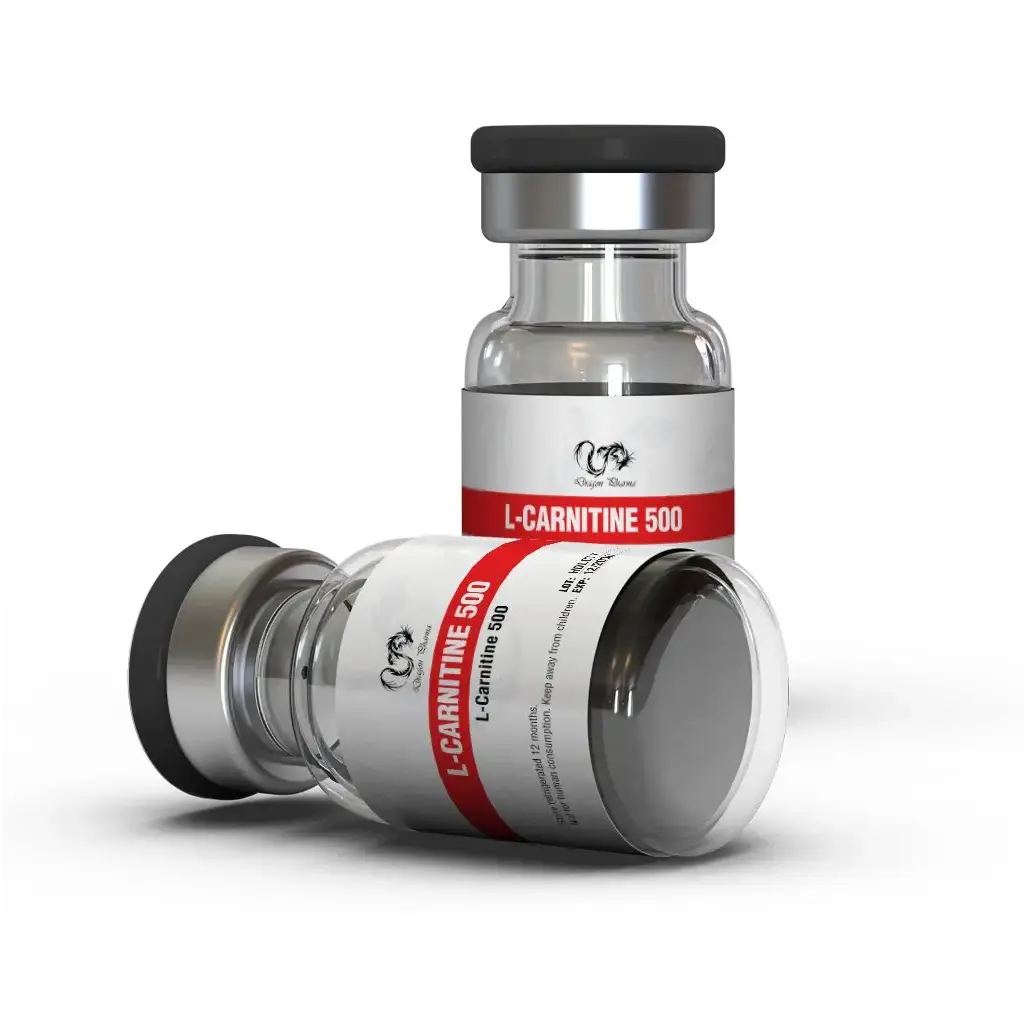
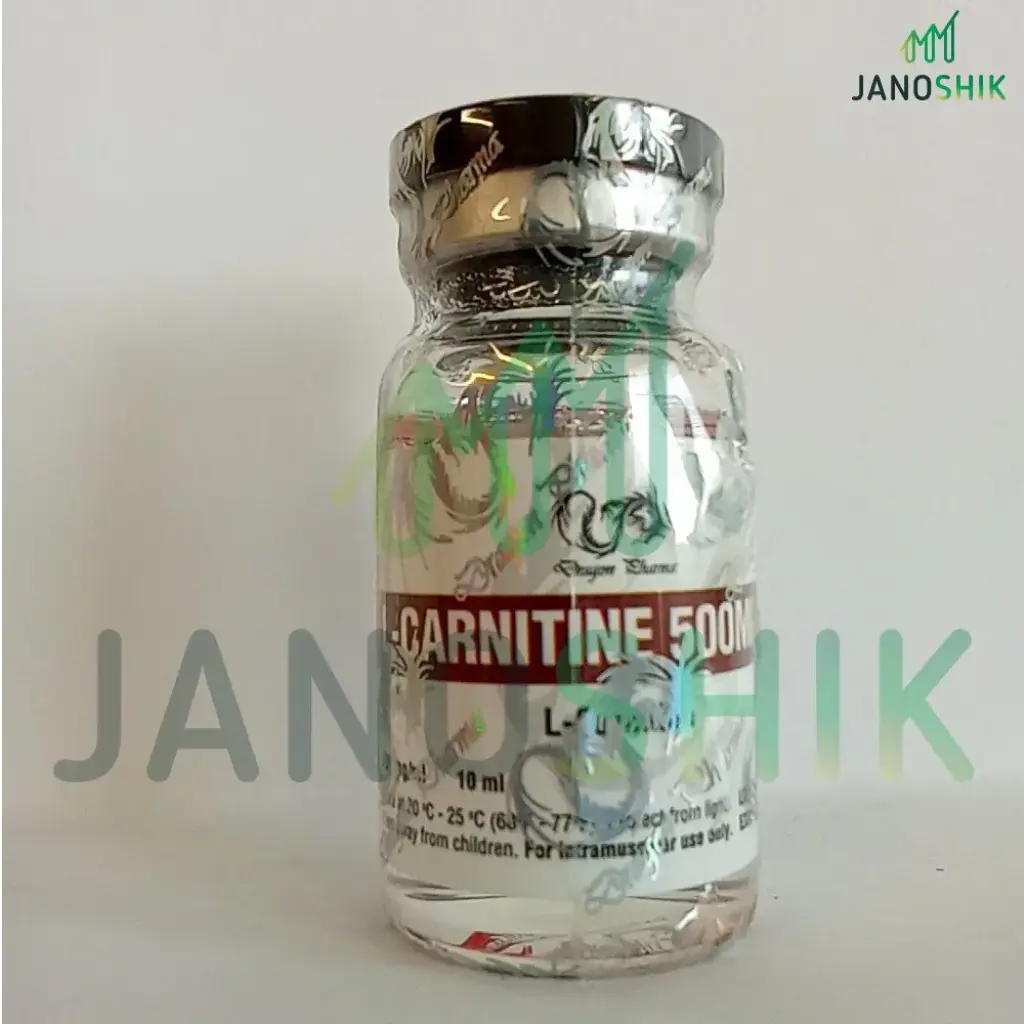
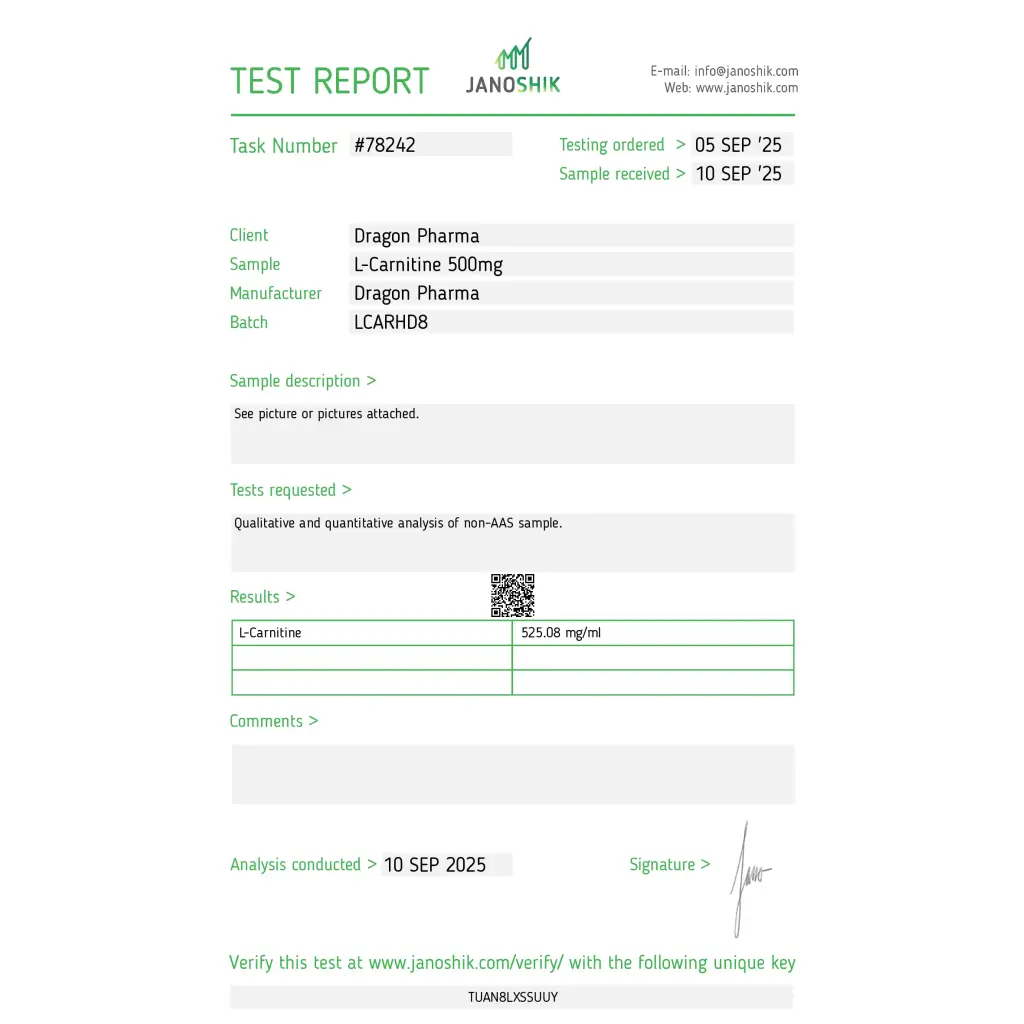
L-Carnitine 500 Dragon Pharma
L-carnitine is a compound involved in metabolism that helps transport long-chain fatty acids into mitochondria for energy production. It is naturally produced in the body and is also found in certain foods, particularly meat.
L-Carnitine is a naturally occurring amino acid derivative found in high concentrations in red meat, fish, poultry, and milk products. It plays a crucial role in the human body by transporting fatty acids into the mitochondria, where they are burned for energy production. As a dietary supplement, L-Carnitine is often used to support exercise performance and recovery, as it is believed to enhance the oxidation of fatty acids and reduce muscle fatigue. It may also aid in heart health, brain function, and male fertility. The supplement comes in various forms, such as L-Carnitine L-Tartrate and Acetyl-L-Carnitine, which are thought to have slightly different benefits.
Studies on L-Carnitine
Some studies suggest that L-Carnitine supplementation can increase endurance and improve recovery from intense physical activity, but results are mixed, and its effectiveness may depend on the individual's diet and exercise regime. It is generally considered safe for most adults when taken in moderate doses, but can cause side effects like nausea, vomiting, and diarrhea in some cases.
It is essential to consult with a healthcare professional before starting any new supplement, especially if you have a medical condition or are taking medication. The body can produce L-Carnitine from the amino acids lysine and methionine, but supplementation may be beneficial for those with certain deficiencies or health conditions that impair its synthesis.
No reviews found
Please log in to write L-Carnitine 500 review.
L-Carnitine 500 FAQ
What is carnitine, and how does it work in the body?
Carnitine is a naturally occurring compound synthesized in the body from the amino acids lysine and methionine. It plays a crucial role in energy metabolism by facilitating the transport of long-chain fatty acids into the mitochondria, which are the powerhouses of cells. Once inside the mitochondria, these fatty acids are oxidized to produce energy. This mechanism is especially important for older adults, as it can enhance energy levels and support overall metabolic function, particularly if there are deficiencies in endogenous carnitine production or intake from dietary sources.
Are there different forms of carnitine, and do they have different effects?
Yes, there are several forms of carnitine, including L-carnitine, acetyl-L-carnitine, propionyl-L-carnitine, and others. L-carnitine is primarily involved in energy production, while acetyl-L-carnitine (often referred to as ALCAR) may have additional benefits, such as supporting cognitive function, particularly in older adults. Propionyl-L-carnitine is sometimes used for peripheral vascular disease and can also enhance blood flow. The diverse effects of these forms can be attributed to their distinct mechanisms of action, and it is advisable to consult a healthcare professional to determine the most suitable form based on individual health needs.
What potential side effects should I be aware of when taking carnitine supplements?
Common side effects associated with carnitine supplementation can include nausea, vomiting, abdominal cramps, and diarrhea. In some cases, individuals may experience a fishy body odor, which is due to the excretion of trimethylamine, a byproduct of carnitine metabolism. Additionally, there is some evidence suggesting that excessive carnitine intake might be linked to increased levels of TMAO (trimethylamine-N-oxide), which has been associated with cardiovascular risk. Given these potential adverse effects, it is prudent for individuals, particularly those over 40, to discuss supplementation with a healthcare provider to ensure safety and appropriateness.
Can carnitine aid in weight loss or improve exercise performance for those aged 40 and above?
Research has shown that carnitine supplementation may support weight management and enhance exercise performance by improving fat oxidation during physical activity. For individuals over 40, who may experience a natural decline in metabolic rate and energy expenditure, carnitine can provide additional support in these areas. However, it is important to note that while some studies indicate beneficial effects, results can vary based on individual circumstances, including diet and exercise levels. For optimal outcomes, including weight loss or performance enhancement, carnitine should be used in conjunction with a balanced diet and regular physical activity.
Who should consider taking carnitine supplements, and are there any contraindications?
Adults over 40, especially those experiencing fatigue, muscle weakness, or decreased exercise capacity, may benefit from carnitine supplementation. However, individuals with certain health conditions, such as kidney disease, should avoid carnitine supplements due to the risk of complications. Furthermore, people taking specific medications, such as anticoagulants or thyroid medications, should consult their healthcare provider before starting supplementation to prevent potential interactions. It is essential to prioritize a thorough medical evaluation to determine the necessity and safety of carnitine supplements for individual health profiles.