What is BPC 157?
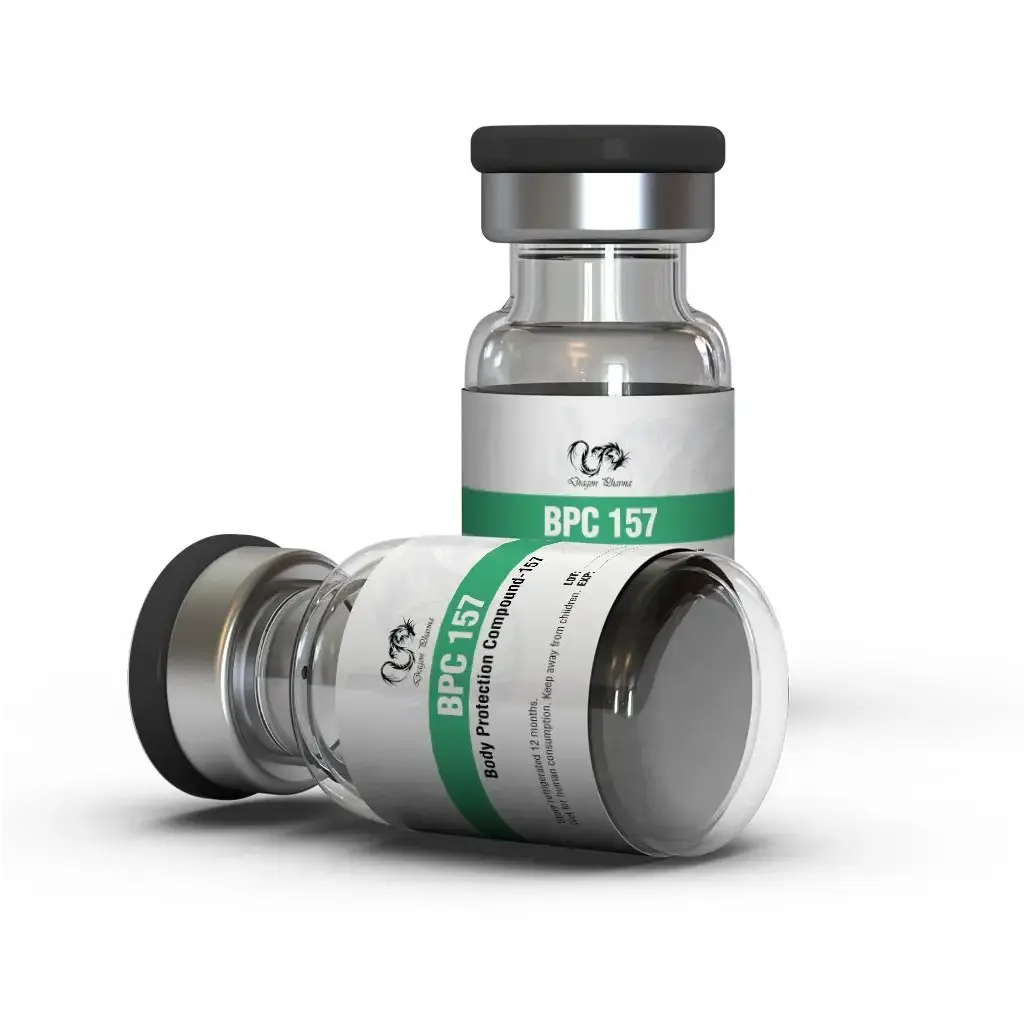
BPC 157, known scientifically as Body Protection Compound 157, is a peptide that has gained attention in the fields of sports medicine and regenerative therapy. It originates from a protein found in the stomach and has been extensively studied for its potential healing properties. One of the most intriguing aspects of BPC 157 is its ability to promote recovery from injuries by accelerating the healing process of tendons, muscles, and ligaments.
Research suggests that BPC 157 may aid in reducing inflammation and enhancing blood flow to damaged areas, making it a popular choice among athletes looking to recover from injuries more swiftly. Additionally, it is thought to play a role in protecting various organs and promoting overall gut health, as it supports the integrity of the intestinal lining.
Beyond its physical benefits, BPC 157 is often highlighted for its potential effects on mood and mental well-being. Some users report improved stress resilience, which contributes to a holistic recovery process.
BPC 157 cycle
Here is some basic information on BPC 157 usage for those who are interestd in using it.
- Basic dosage: 2.5-3.75 micrograms per kilogram of body weight/once or twice a day.
- BPC 157 must be diluted with bacteriostatic water. If you have a 5mg peptide vial and mix it with 1ml of bac water you will get 500mcg by pulling syringe to 10. (we are talking about 1ml insulin syringe volume here)
- BPC-157 must be taken daily for up to 3 months, then taken one month off. BPC-157 is a prescription pharmaceutical in some states, so consult your doctor to decide if you're qualified for drug use.
- BPC 157 is injected with insulin syringes.
Conclusion
As with any supplement, it's crucial to consult with a healthcare professional before incorporating BPC 157 into your routine. While promising, ongoing research is essential to fully understand its benefits and potential side effects. Overall, BPC 157 represents an exciting frontier in peptide therapy, offering hope for enhanced recovery and overall health improvement.
No reviews found
Please log in to write BPC 157 review.
BPC 157 FAQ
What is BPC 157, and what is it used for?
BPC 157, or Body Protection Compound 157, is a peptide consisting of 15 amino acids. It was initially studied for its potential healing properties, including promoting tissue repair and reducing inflammation. Researchers believe it may help with injuries, muscle healing, and even digestive issues. However, it's important to note that while there are promising findings, more clinical studies are needed to fully establish its effectiveness and safety.
How is BPC 157 administered?
BPC 157 is typically administered via injection, although it can also be found in oral forms. When injected, it usually targets specific areas needing healing, like joints or muscles. The method of administration may depend on individual preferences and the specific condition being treated. Always consult a healthcare professional for guidance on the best method for your situation.
Are there any side effects associated with BPC 157?
While BPC 157 is generally considered to have a good safety profile in the studies conducted so far, some individuals may experience minor side effects such as irritation at the injection site, changes in appetite, or digestive issues. Since comprehensive human studies are limited, it's crucial to discuss the potential risks and benefits with a healthcare provider before starting any new treatment.
Can BPC 157 help with sports injuries?
There is some evidence suggesting that BPC 157 may aid in the healing process of sports injuries due to its potential to promote tissue repair and reduce inflammation. Athletes have shown interest in its use for conditions such as tendon tears, ligament injuries, and muscle strains. However, while initial studies are promising, athletes should exercise caution and consult a medical professional before using it, especially since regulatory status can vary in sports organizations.
Is BPC 157 legal to use?
The legal status of BPC 157 can vary significantly by country. In many places, it is not approved for human use and is classified as a research chemical. In some regions, it may be available through specific medical channels; however, regulations are continually changing. It's essential to check local laws and consult healthcare professionals for advice on legality and safe use.