Understanding Methyl-1-Testosterone: A Comprehensive Overview
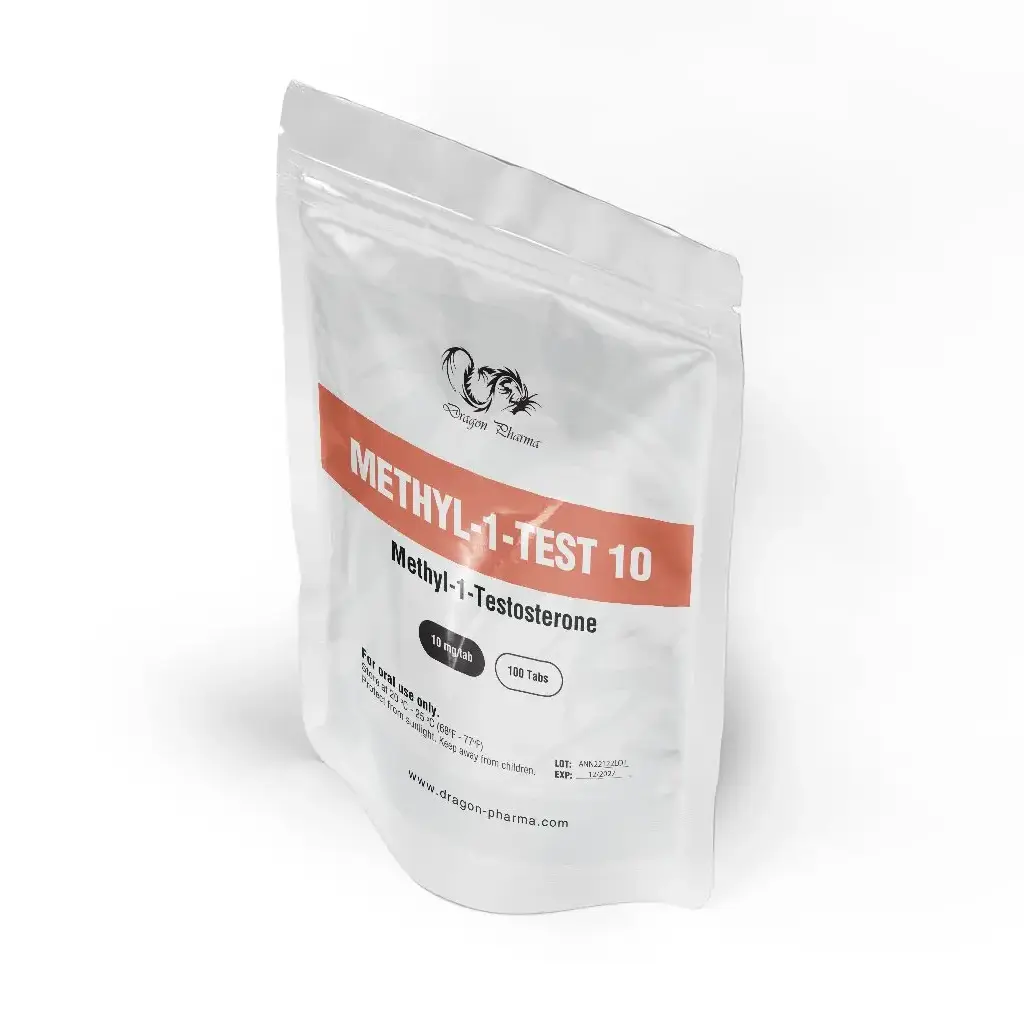
Methyl-1-testosterone, often abbreviated as M1T, has gained significant attention in both medical and sports contexts. As a synthetic anabolic steroid, it promises enhanced muscle growth and performance. This article delves into what Methyl-1-testosterone is, its history, applications in medicine and sports, and potential health risks associated with its use.
What is Methyl-1-Testosterone?
Methyl-1-testosterone is an anabolic steroid derived from testosterone, specifically modified to enhance its effects. Unlike many steroids, M1T is known for its potent anabolic properties, which means it can significantly promote muscle growth and strength. Athletes and bodybuilders often seek such compounds to improve their physical performance and achieve better results in their training regimes.
The Creation and History of Methyl-1-Testosterone
The development of Methyl-1-testosterone dates back to the 1960s when scientists were exploring ways to create more effective anabolic agents. The goal was to modify testosterone to maximize its beneficial properties while minimizing side effects. M1T was created during this era, gaining traction for its effectiveness in increasing muscle mass and strength rapidly. Its unique chemical structure allows it to be orally administered, making it more convenient than many other steroids that require injections.
Uses in Medicine and Sports
In the realm of medicine, Methyl-1-testosterone has been employed for various therapeutic purposes, particularly in treating conditions related to testosterone deficiencies, such as hypogonadism. While it can stimulate muscle growth and improve overall physical health in patients, it has become more notorious for its off-label use among athletes and bodybuilders.
In sports, Methyl-1-testosterone is often sought after for its ability to enhance performance remarkably. Users report faster recovery times, increased stamina, and substantial gains in muscle mass. However, its popularity in the athletic community is accompanied by controversy, as many sports organizations classify it as a prohibited substance due to its performance-enhancing effects.
Health Risks and Considerations
Despite its appealing benefits, the use of Methyl-1-testosterone is not without significant health risks. Prolonged use can lead to a range of adverse effects, including liver toxicity, hormonal imbalances, and cardiovascular issues. Users may experience symptoms such as acne, hair loss, and mood swings, along with more severe conditions like liver damage and infertility.
Moreover, the lack of regulation surrounding anabolic steroids raises concerns about the quality and purity of the products available on the market. Users may unknowingly consume contaminated substances, which can lead to additional health complications.
In conclusion, while Methyl-1-testosterone presents an alluring promise for both medical and athletic applications, it carries significant risks that cannot be overlooked. Individuals considering its use must weigh the potential benefits against the possible health implications carefully. Education and awareness around the safe use of steroids are crucial in promoting healthier choices in sports and medicine.
No reviews found
Please log in to write Methyl-1-Test 10 review.
Methyl-1-Test 10 FAQ
What is Methyl-1-Test 10 and how does it work in the body?
Methyl-1-Test 10 is a synthetic anabolic steroid, specifically a 17-alpha-alkylated derivative of testosterone. It is primarily used to enhance muscle mass, strength, and physical performance. The compound engages androgen receptors in muscle tissues, leading to increased protein synthesis and a positive nitrogen balance, which are crucial for muscle growth. Its methylation allows it to survive oral administration, making it an appealing option for those seeking anabolic benefits without the need for injections.
What are the potential benefits of using Methyl-1-Test 10 for athletes and bodybuilders?
Athletes and bodybuilders may find several benefits associated with the use of Methyl-1-Test 10. These benefits include increased muscle mass, enhanced strength, improved recovery times, and elevated stamina during workouts. Additionally, users may experience a reduction in body fat due to its anabolic effects, which can contribute to a more defined physique. However, it is essential to recognize that results can vary significantly among individuals and depend on various factors, including diet, training regimen, and individual response to the compound.
Are there any side effects associated with Methyl-1-Test 10 usage?
Yes, like many anabolic steroids, Methyl-1-Test 10 may be associated with a range of potential side effects. These can include androgenic effects such as acne, hair loss, and prostate enlargement, as well as cardiovascular issues like elevated blood pressure and altered cholesterol levels. Additionally, liver toxicity is a concern due to its oral bioavailability. It is imperative for potential users to weigh these risks against their desired outcomes and to consider consulting with a healthcare professional prior to use.