Clomid: Clomiphene Citrate – A Multifaceted Medication in Medicine and Sports
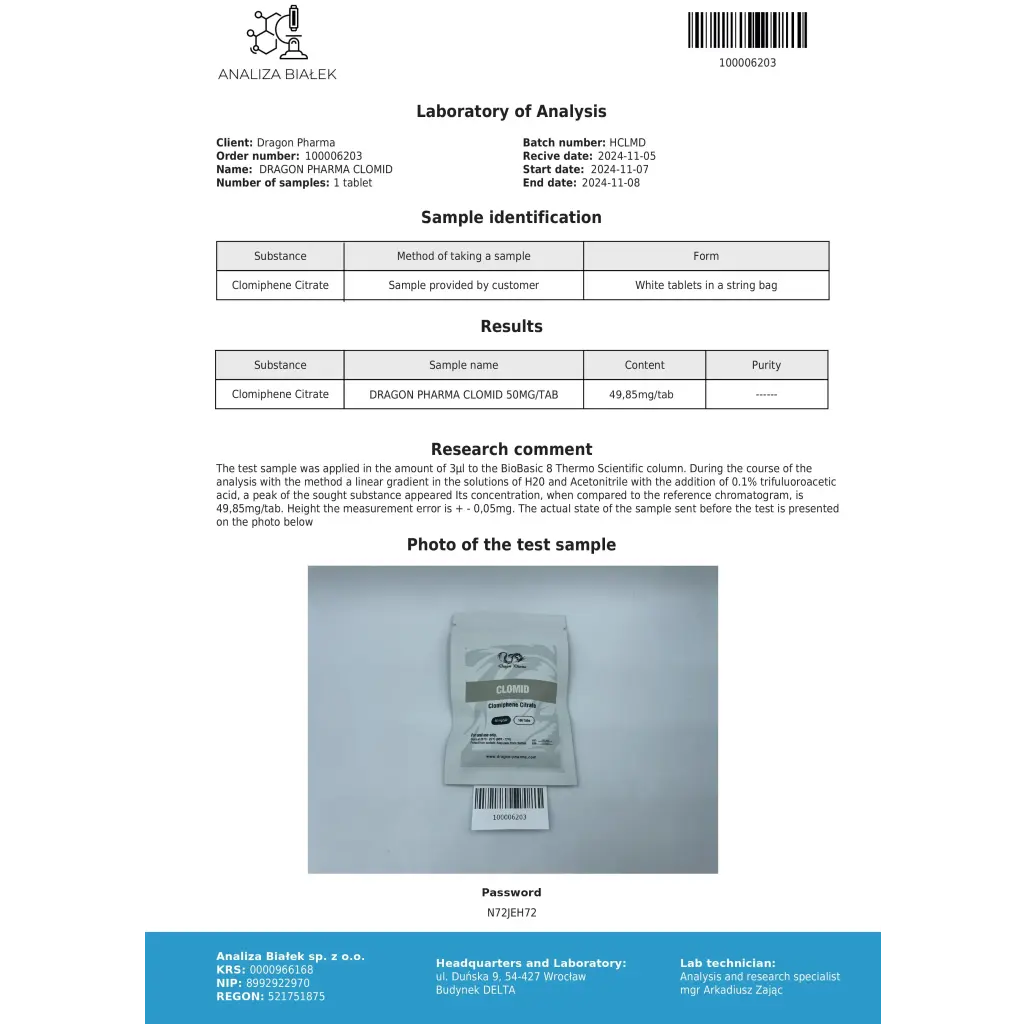
Clomid, scientifically known as clomiphene citrate, is a medication that has carved a significant niche in the realms of medicine and sports alike. Originally developed in the 1960s as a fertility treatment, this compound has evolved into a topic of interest for athletes and bodybuilders who seek to optimize their hormonal balance and performance.
The Discovery of Clomid: Clomiphene Citrate
Clomid was first synthesized in the early 1950s by chemist Dr. Georgeanna Seegar Jones and her husband, Dr. Samuel P. Jones. Its primary purpose was to stimulate ovulation in women with fertility issues, working by blocking estrogen receptors in the hypothalamus, which in turn signals the pituitary gland to produce more hormones. The discovery was groundbreaking and paved the way for thousands of pregnancies where there were previously challenges. Over time, its applications expanded beyond reproductive health.
Clomid's Role in Medicine
In conventional medicine, Clomid: clomiphene citrate is predominantly used to treat anovulatory disorders, particularly in women struggling to conceive. By encouraging the release of hormones such as follicle-stimulating hormone (FSH) and luteinizing hormone (LH), it helps promote ovulation. However, its effects aren't limited to women; Clomid has found use in men experiencing low testosterone levels, often related to hormonal imbalances caused by anabolic steroid use. In this context, Clomid can help stimulate the body's natural testosterone production, making it an important component of post-cycle therapy (PCT).
Clomid in the World of Sports
Athletes and bodybuilders have also taken an interest in Clomid due to its potential to rebalance hormones after steroid cycles. When steroids are introduced, they can suppress the natural production of testosterone. Clomid: clomiphene citrate appears as a viable option for restoring this balance, thus aiding muscle retention and strength recovery during PCT. However, athletes must tread carefully; while Clomid can help restore hormonal levels, its use is often scrutinized, and regulations vary by sport and governing bodies.
Health Risks and Considerations
Despite its benefits, Clomid does come with risks. Side effects may include mood swings, hot flashes, and visual disturbances. More significantly, improper use—especially in the athletic community—can lead to hormonal imbalances or complications with reproductive health. Therefore, it's essential for users, whether for fertility or athletic recovery, to consult healthcare professionals before embarking on a Clomid regimen.
In summary, Clomid: clomiphene citrate is more than just a fertility drug; it is a multifaceted medication that finds utility in both medical and athletic contexts. Its ability to influence hormones makes it valuable for treating fertility issues and aiding recovery from steroid use. However, awareness of the potential health risks is crucial for safe use and optimal outcomes.
No reviews found
Please log in to write Clomid review.
Clomid FAQ
What is Clomid, and how does it work?
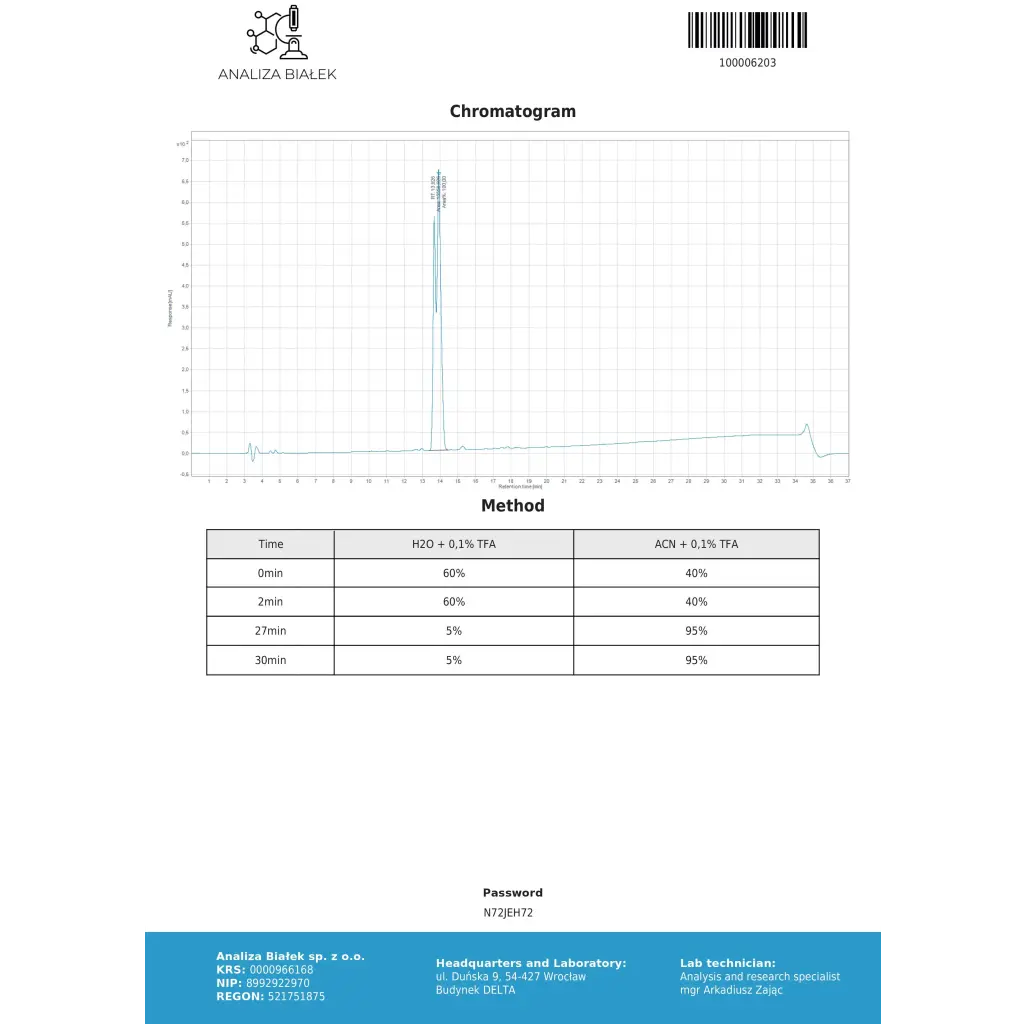
Clomid, or clomiphene citrate, is a medication primarily used to treat infertility in women who do not ovulate regularly. It functions as a selective estrogen receptor modulator (SERM), blocking estrogen receptors in the hypothalamus. This blockade leads to an increased secretion of gonadotropin-releasing hormone (GnRH), which stimulates the pituitary gland to release follicle-stimulating hormone (FSH) and luteinizing hormone (LH). The rise in these hormones promotes ovarian follicle development and ovulation.
Why Clomid is Essential in Post Steroid Cycle Therapy
Using anabolic steroids without proper post cycle therapy can lead to prolonged hormonal imbalances, resulting in side effects such as low libido, fatigue, mood swings, and even loss of muscle gains. This makes PCT, and Clomid in particular, vital for anyone coming off a steroid cycle.
Here's why Clomid is a game-changer in PCT:
1. Restores Natural Testosterone Production
Clomid jumpstarts the endocrine system to resume natural testosterone synthesis, which is critical after steroid withdrawal.
2. Preserves Muscle Gains
Restoring testosterone levels quickly helps maintain the muscle mass and strength acquired during the steroid cycle.
3. Supports Mental and Physical Well-being
Balanced testosterone levels contribute to improved mood, energy levels, and overall health.