

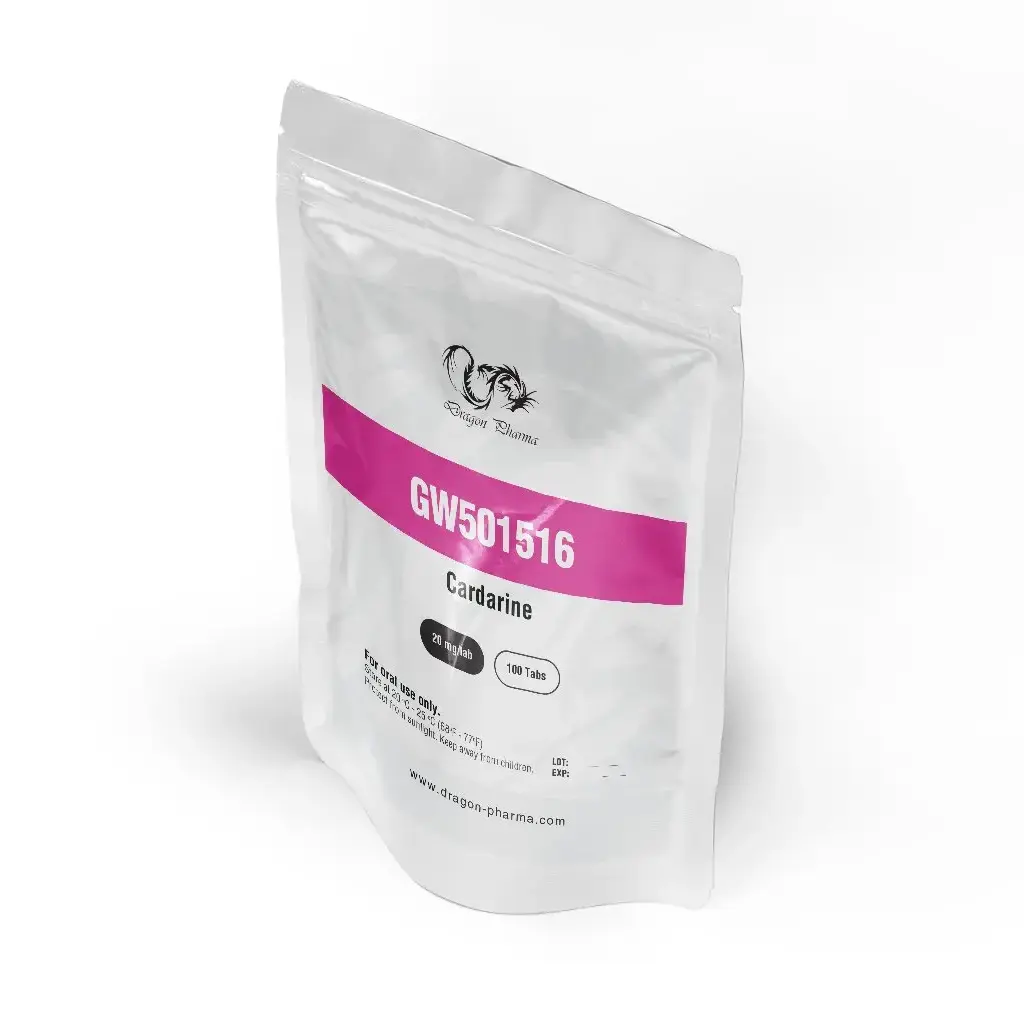
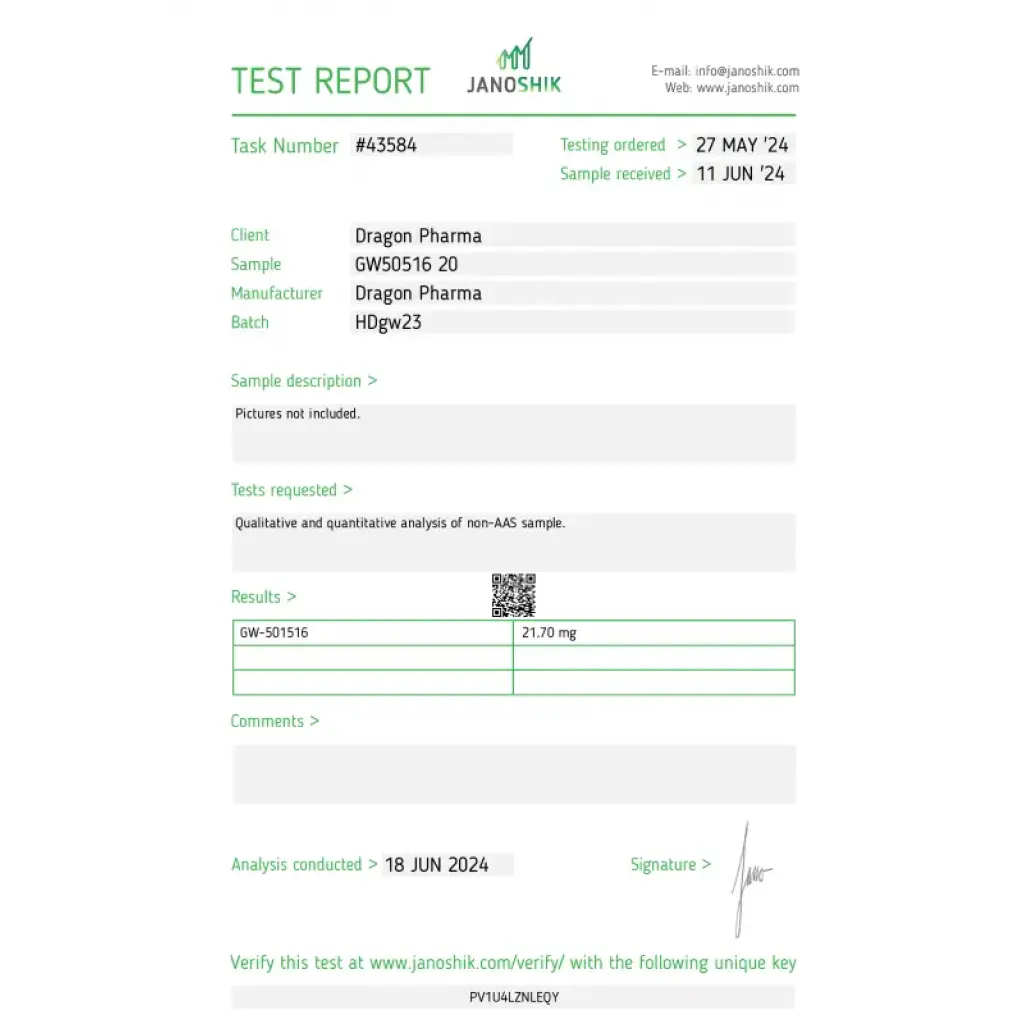
MANUFACTURER: Dragon Pharma, Europe
ACTIVE INGREDIENT: Cardarine
STRENGTH: 20 mg/tab
AMOUNT: 100 tabs
20% CASHBACK if you pay with Crypto. Valid for non-discounted offers.
In the realm of health and performance enhancement, GW 501516, commonly known as Cardarine, has garnered considerable attention. This peptide, initially designed for medical applications, has intrigued both athletes and researchers alike due to its potential to boost endurance and improve metabolic function. But what exactly is GW 501516, and how does it work? Let's delve into its discovery, medical uses, implications in sports, and the associated health risks.
GW 501516 is a synthetic compound that belongs to a class of drugs known as PPARδ (peroxisome proliferator-activated receptor delta) agonists. It was developed in the late 1990s by scientists at the pharmaceutical company GlaxoSmithKline. Initially, the intent behind its creation was to treat metabolic and cardiovascular diseases, as it showed promise in enhancing fatty acid oxidation and improving insulin sensitivity. Over the years, however, its applications have expanded, attracting interest beyond conventional medicine.
The discovery of GW 501516 was a significant milestone in pharmacology. Researchers identified its ability to activate PPARδ, which plays a crucial role in regulating metabolism and energy homeostasis. While the drug never made it to market for human use in treating diseases, its potential therapeutic benefits in metabolic disorders and obesity have been explored in numerous studies. In terms of medicine, GW 501516 has shown the ability to lower cholesterol levels and improve glucose metabolism, offering a glimmer of hope for future treatments in cardiovascular health and diabetes management.
Athletes and fitness enthusiasts have increasingly turned their eyes toward GW 501516 for its purported performance-enhancing capabilities. Users claim that this peptide can significantly boost endurance, enhance stamina, and facilitate faster recovery, making it a popular choice among competitors in various sports. By stimulating fatty acid oxidation, GW 501516 allows the body to utilize fat as a primary energy source, which can lead to extended periods of physical activity without the fatigue typically experienced during intense workouts. However, it's essential to note that its use is prohibited by the World Anti-Doping Agency (WADA), labeling it as an anabolic agent, which raises ethical considerations in competitive sports.
Despite the allure of improved performance, GW 501516 is not without its controversies. Several studies have raised concerns about potential health risks associated with its long-term use. Animal studies indicated that GW 501516 could lead to cancer development, highlighting a significant red flag. While there are no conclusive human studies confirming these risks, the lack of FDA approval and the associated side effects should prompt caution among those considering its use. It's crucial for users to be informed about both the benefits and potential dangers before integrating this peptide into their routines.
If you've used GW 501516, your insights could provide valuable perspectives on its effectiveness and safety. Sharing your experiences can help others make informed decisions. Have you noticed improvements in endurance or recovery? Were there any adverse effects? Your feedback is essential as we navigate the future of peptides like GW 501516 in both sports and health contexts.
GW 501516 stands at the crossroads of medical innovation and sports performance enhancement. While its discovery has paved the way for potential applications in treating metabolic diseases, its rise in popularity among athletes raises ethical and health-related questions. Understanding both its promises and pitfalls is vital for anyone considering this peptide. As research continues to evolve, so too will our understanding of GW 501516's place in the future of health and sport.
Please log in to write GW 501516 review.
MANUFACTURER: Dragon Pharma, Europe
ACTIVE INGREDIENT: Salbutamol
STRENGTH: 10 mg/tab
AMOUNT: 100 tabs
MANUFACTURER: Dragon Pharma, Europe
ACTIVE INGREDIENT: Raloxifene Hydrochloride
STRENGTH: 60 mg/tab
AMOUNT: 100 tabs
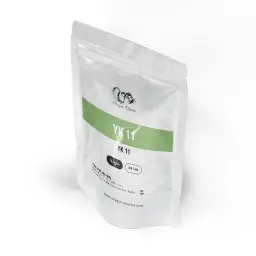
MANUFACTURER: Dragon Pharma, Europe
ACTIVE INGREDIENT: YK 11
STRENGTH: 10 mg/tab
AMOUNT: 100 tabs
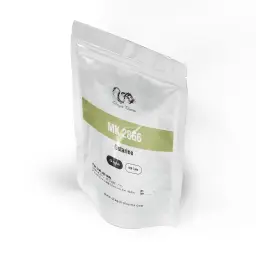
MANUFACTURER: Dragon Pharma, Europe
ACTIVE INGREDIENT: Enobosarm
STRENGTH: 25 mg/tab
AMOUNT: 100 tabs
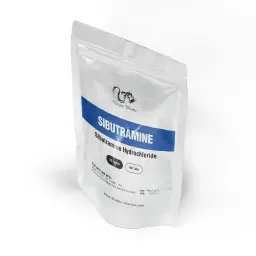
MANUFACTURER: Dragon Pharma, Europe
ACTIVE INGREDIENT: Sibutramine Hydrochloride
STRENGTH: 20 mg/tab
AMOUNT: 100 tabs
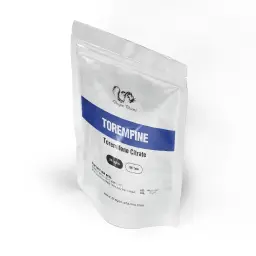
MANUFACTURER: Dragon Pharma, Europe
ACTIVE INGREDIENT: Toremifene Citrate
STRENGTH: 20 mg/tab
AMOUNT: 100 tabs

MANUFACTURER: Dragon Pharma, Europe
ACTIVE INGREDIENT: Mastorin
STRENGTH: 10 mg/tab
AMOUNT: 100 tabs
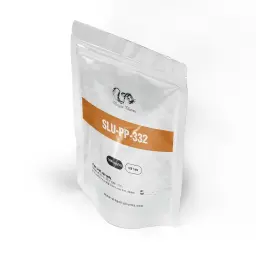
MANUFACTURER: Dragon Pharma, Europe
ACTIVE INGREDIENT: Slu-pp-332 Metabolic Boost
STRENGTH: 500 mcg/tab
AMOUNT: 100 tabs